

Deodorant vs Antiperspirant vs Whole-Body Deodorant: What Works, and Is Aluminum Safe?
Quick answer: Deodorant fights odor. Antiperspirant reduces sweat. Whole-body deodorant is a deodorant made for areas beyond your armpits, like
Research-backed body care: deodorant, body wash, lotion and shower routines, explained ingredient by ingredient.
Research-backed body care: deodorant, body wash, lotion and shower routines, explained ingredient by ingredient.
Quick answer: Deodorant fights odor. Antiperspirant reduces sweat. Whole-body deodorant is a deodorant made for areas beyond your armpits, like

Quick answer: Match your body wash to your skin. Dry or sensitive: a gentle, fragrance-free wash with glycerin or ceramides.

Quick answer: Choose your body lotion by what your skin is doing. Dry or sensitive: ceramides in a thick, fragrance-free

Quick answer: Scent lasts longest when you build it in layers on clean, moisturized skin. Wash, apply a lightly scented

Quick answer: Yes, many face actives work below the neck too. For rough, bumpy skin (keratosis pilaris), dermatologists recommend exfoliating
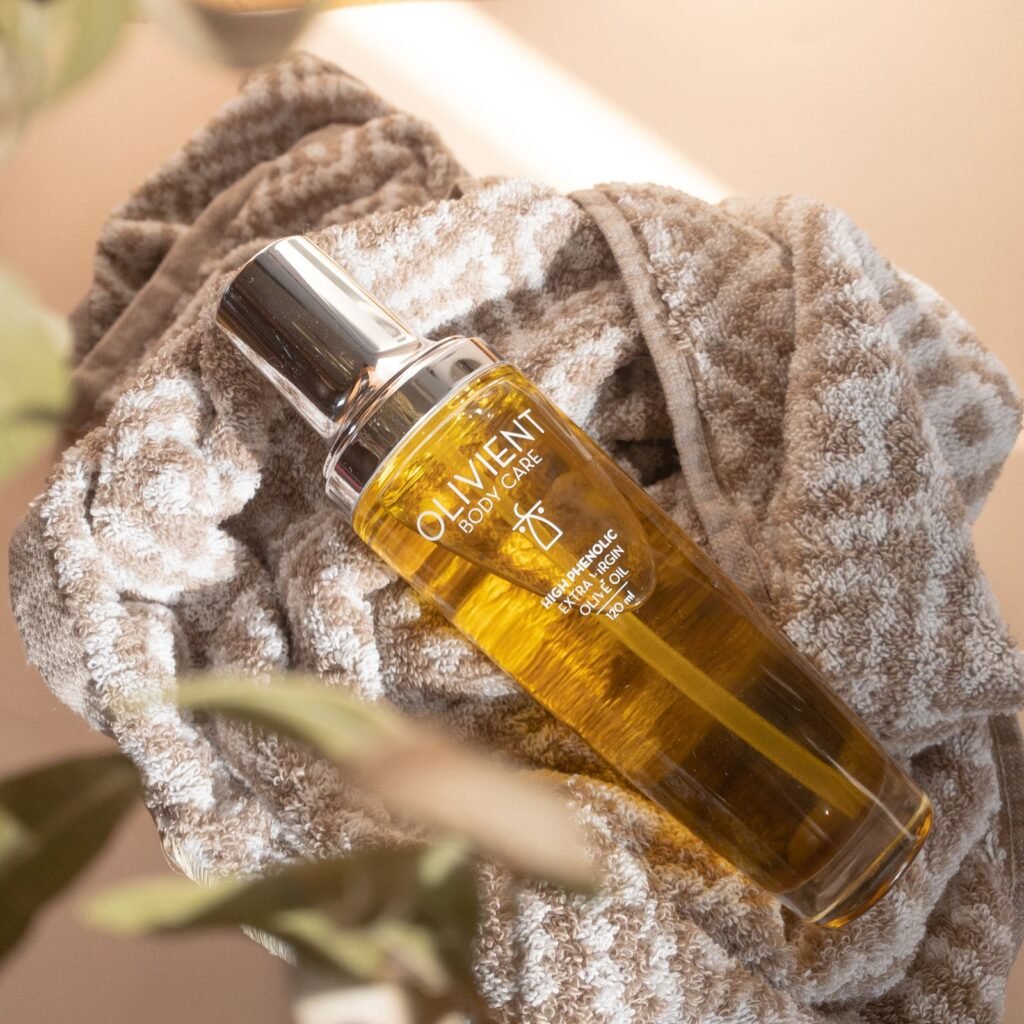
Quick answer: Lotion adds water and moisture-attracting ingredients. Oil seals moisture in and softens skin, but it contains no water.

Quick answer: Keep your shower to 5 to 10 minutes in warm (not hot) water, as dermatologists recommend. Wash your

Quick answer: Most healthy people don’t need a full shower every day. Harvard Health says a few times a week