
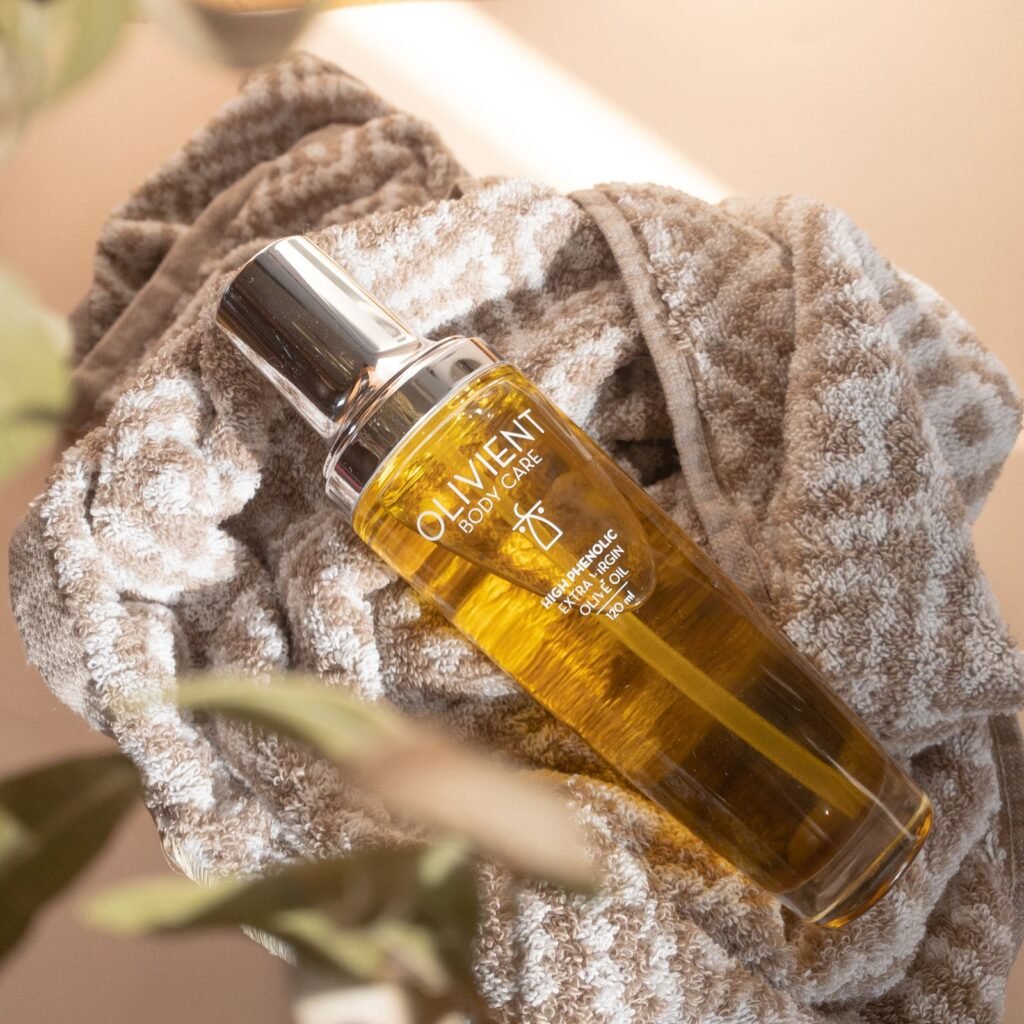
Quick answer: Lotion adds water and moisture-attracting ingredients. Oil seals moisture in and softens skin, but it contains no water. That’s why oil works best on damp skin right after a shower, or layered over lotion. Choose lotion for everyday hydration and oil for glow, softness and very dry patches.
Body oils are everywhere right now, from glowy shimmer oils to the old-school bottle in your parents’ bathroom. But are they better than lotion? Or just prettier?
The answer depends on what your skin needs. Here is how each one works, when oil is the better pick, and the oils worth buying.
Our quick picks
| Pick | Best For | |
|---|---|---|
| Neutrogena Body Oil, Fragrance Free | Best overall body oil | Check Price → |
| Bio-Oil Skincare Oil | Best for scars and stretch-mark care | Check Price → |
| Sol de Janeiro GlowMotions Glow Body Oil | Premium pick: shimmer and scent | Check Price → |
| CeraVe Moisturizing Cream | Best if you prefer lotion | Check Price → |
What’s the difference between body oil and lotion?
| Lotion or cream | Body oil | |
|---|---|---|
| Contains water? | Yes | No |
| Main job | Adds moisture and holds it in | Seals in moisture and softens |
| Feel | Absorbs into skin | Silky, can feel slick |
| Best for | Daily hydration, very dry skin | Glow, softness, layering, massage |
Lotions and creams mix water with oils and humectants (ingredients like glycerin that draw water into skin). Oils are emollients, which smooth and soften, and they form a light seal that slows water loss.
Because oil has no water in it, putting oil on bone-dry skin just makes dry skin shiny. Apply it to damp skin, and it locks that water in.
Humectants, emollients and occlusives: the three ways to moisturize
Every moisturizer uses one or more of these. Knowing them makes it easy to see why oil and lotion behave differently.
| Type | What it does | Common examples | Found in |
|---|---|---|---|
| Humectants | Pull water into the top layer of skin | Glycerin, hyaluronic acid, urea, lactic acid | Lotions, creams, serums |
| Emollients | Fill gaps between skin cells so skin feels smooth and soft | Plant oils, squalane, shea butter, ceramides | Oils, creams, butters |
| Occlusives | Form a seal that slows water loss | Petrolatum, mineral oil, dimethicone, beeswax | Ointments, rich creams, some oils |
Most body oils are emollients, and some (like mineral oil) also act as occlusives. They smooth and seal. What they can not do on their own is add water. A lotion or cream usually combines all three types, which is why it suits very dry skin.
When does body oil work best?
- Right after a shower. Pat skin until just damp, then apply oil. The American Academy of Dermatology advises moisturizing within minutes of drying off.
- Over lotion. On very dry skin, lotion first and a few drops of oil on top works better than either alone.
- For glow. Oil reflects light, so legs and shoulders look smooth and healthy.
- For massage. Oil glides and gives you time to work it in.
Neutrogena Body Oil, Fragrance Free
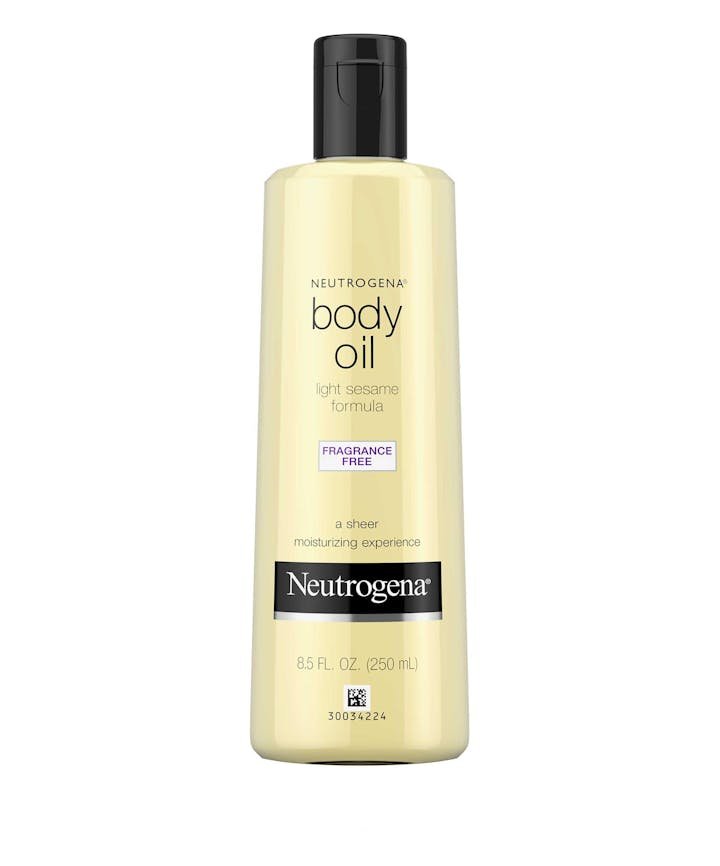
This is the classic shower-to-body oil. It is light, spreads easily on wet skin and leaves a soft finish without feeling greasy. The fragrance-free version suits sensitive skin and works under any perfume.
What we like: Lightweight sesame oil base, fragrance-free, and very good value per use.
Worth knowing: The regular Light Sesame version contains fragrance. Check the label if you need fragrance-free.
Bio-Oil Skincare Oil
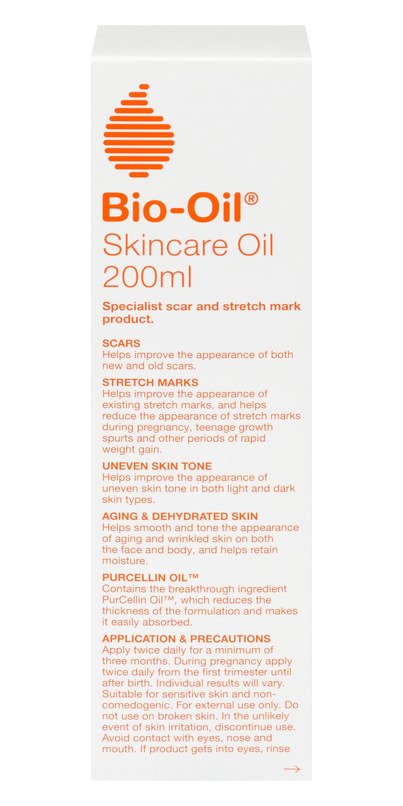
Bio-Oil is one of the most popular oils on Amazon. It has a mineral oil base with plant oils and vitamins, and the brand markets it for the look of scars and stretch marks. It is also a good all-over oil for dry patches.
What we like: Absorbs quickly for an oil, widely available, and a small bottle lasts a long time.
Worth knowing: Evidence that any oil fades stretch marks is limited, so expect softer skin rather than a disappearing mark. It contains fragrance.
Which oils are good for skin?
Some oils help the skin barrier more than others. A 2013 study by Danby and colleagues compared two common oils on adult skin. Sunflower seed oil kept the barrier healthy and improved hydration. Olive oil weakened the barrier and caused mild redness.
PureForm Ingredient Check
Not all oils are equal
Sunflower seed oil: In a 2013 study, it kept the skin barrier intact and improved hydration.
Olive oil: In the same study, it damaged the skin barrier and caused mild redness. The authors advised against it for dry skin.
Mineral oil: A well-studied, low-irritation option that seals in moisture.
Tip: Check the first ingredients on the label. That’s where the main oils are listed.
Sol de Janeiro GlowMotions Glow Body Oil
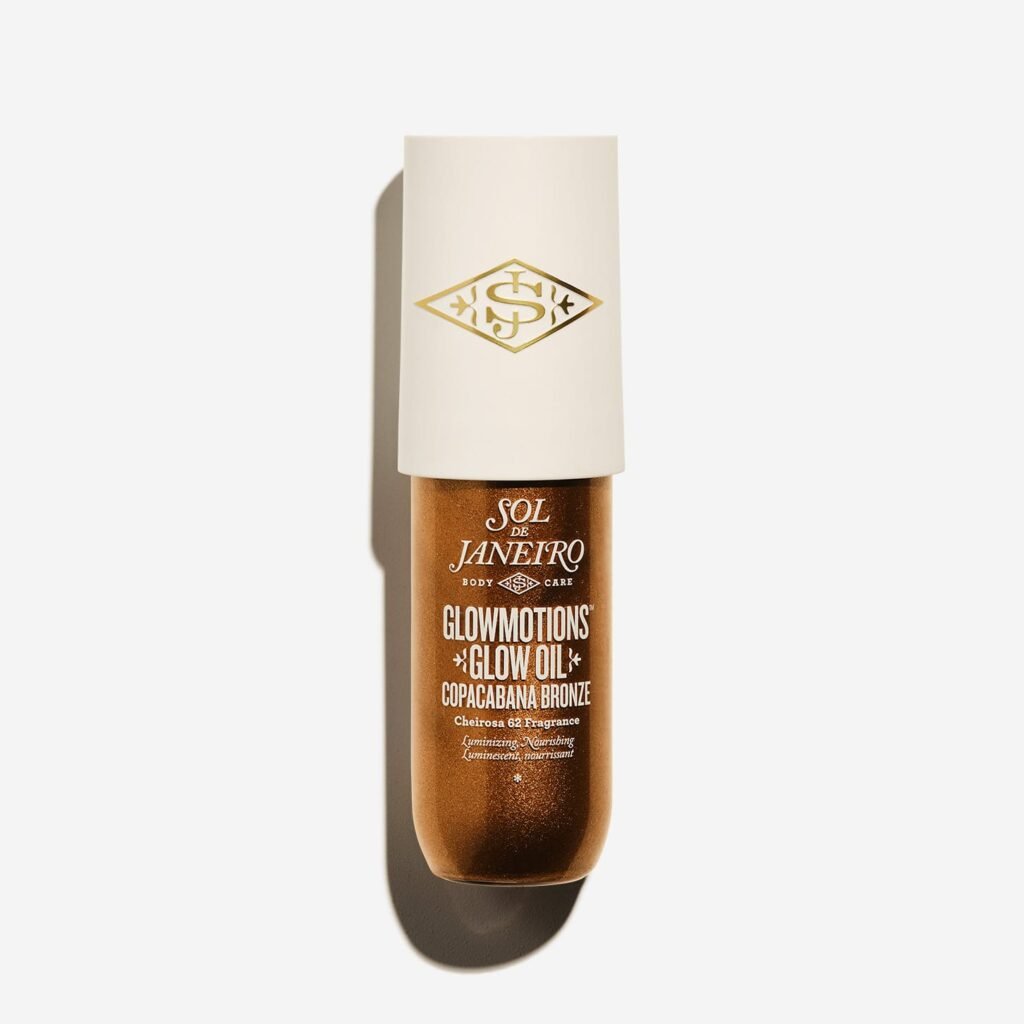
If you want your body oil to feel like a treat, this is it. It blends cupuaçu butter with coconut, açaí and sunflower oils, adds a soft shimmer, and carries the Cheirosa 62 scent. It is made for legs, shoulders and collarbones on a night out.
What we like: A real glow, a scent people ask about, and sunflower oil, which research links to a healthier skin barrier.
Worth knowing: Shimmer can transfer to light clothing. Let it absorb for a few minutes before dressing.
Popular body oils compared
Body oils differ in how heavy they feel and how they suit different skin types. Here is a quick guide to the oils you will see most often on labels.
| Oil | Feel | Good to know |
|---|---|---|
| Sunflower seed oil | Light | Kept the skin barrier healthy in a 2013 study. A good everyday choice. |
| Mineral oil | Light to medium | Well studied and low in irritation. Cosmetic-grade mineral oil is the base of many baby oils. |
| Coconut oil | Rich, solid when cool | A 2004 trial found virgin coconut oil worked about as well as mineral oil for dry legs. It can feel heavy and may clog pores in acne-prone areas. |
| Jojoba oil | Light | Technically a liquid wax, similar to skin’s own oils. Often well tolerated. |
| Sweet almond oil | Medium | Soft and slippery. Avoid if you have a tree nut allergy. |
| Argan oil | Light to medium | Popular in hair and body oils; feels silky. |
| Sesame oil | Medium | The base of Neutrogena Body Oil. |
| Olive oil | Medium to heavy | Weakened the skin barrier in the 2013 study. Not the best pick for dry skin. |
What is a “dry oil”?
A dry oil is not dry at all. The name means it absorbs quickly and leaves little shine. Dry oils are often sprays made with lighter oils, which makes them easy to use before getting dressed.
Which should you use? A skin-type guide
| Your skin | Best choice | How to use it |
|---|---|---|
| Normal | Oil or lotion, your choice | Oil on damp skin after showering |
| Dry | Cream, plus oil on top for extra softness | Cream first, then a few drops of oil |
| Very dry or eczema-prone | A thick, fragrance-free cream | Skip scented oils; ask a dermatologist about flares |
| Oily or acne-prone | Light, oil-free lotion | Use oil only on arms and legs, if at all |
| Rough and bumpy (KP) | A urea or lactic acid cream | Oil can go on top for comfort |
| Sensitive | Fragrance-free oil or cream | Patch test new products first |
Does body oil help stretch marks?
Many oils, including Bio-Oil, are marketed for stretch marks. The research is not encouraging. A 2012 Cochrane review looked at six trials with 800 pregnant women. Women who used creams or oils with active ingredients did not develop significantly fewer stretch marks than women who used a placebo or nothing.
That does not make oil useless. Massaging oil into growing skin can feel soothing and keep skin soft. Just buy it for comfort, not as a guaranteed fix.
When is lotion the better choice?
Lotion or cream is the better pick if your skin is very dry, itchy or tight. The water and humectants in a cream bring moisture in, which an oil alone cannot do.
If you are prone to body breakouts, a light, non-greasy lotion may also feel better than a heavy oil.
CeraVe Moisturizing Cream
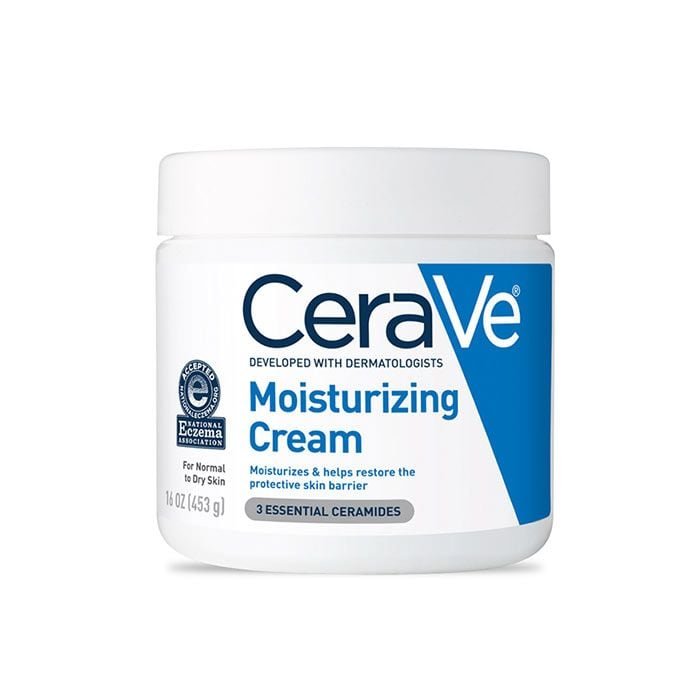
If oils feel too slick, a rich cream gives you both hydration and protection. CeraVe’s cream has ceramides, hyaluronic acid and a water-plus-oil base, and it is a dermatologist favorite for dry skin.
What we like: Fragrance-free, budget-friendly tub, and ceramides that support the skin barrier.
The best lotion-and-oil combos
For dry skin, the most effective routine uses both: a cream to add moisture and an oil to seal it in and add glow. Here are three pairings at different price points.
| Budget | Step 1: Cream | Step 2: Oil | Why it works |
|---|---|---|---|
| Save | CeraVe Moisturizing Cream | Neutrogena Body Oil, Fragrance Free | Ceramides plus a light seal, all fragrance-free |
| Smooth | AmLactin Daily Nourish Lotion | Bio-Oil Skincare Oil | Lactic acid smooths rough skin; oil adds softness |
| Splurge | Kiehl’s Creme de Corps | Sol de Janeiro GlowMotions Glow Body Oil | Rich, indulgent texture with a scented, shimmering finish |
Apply the cream to damp skin first. Wait a minute, then press a few drops of oil over the areas that feel driest or that you want to glow, like shins and shoulders.
Kiehl’s Creme de Corps

If you love the ritual of a rich cream, this is a cult classic. It is a thick, cushiony body moisturizer with cocoa butter, squalane and other emollients. Paired with a body oil, it makes a luxurious winter routine.
What we like: A rich texture that feels like a treat, and a little goes a long way on dry areas.
Worth knowing: It costs much more than drugstore creams, which work just as well for basic hydration. You are paying for texture and experience.
Body oil through the seasons
- Winter: Indoor heating dries skin. Layer oil over a cream, and use a humidifier if the air feels dry.
- Summer: Switch to a light or dry oil, or use a lightweight lotion. Shimmer oils are popular for bare legs and shoulders.
- After sun: Oil is not sunscreen. Some oils offer almost no UV protection, so always wear a real SPF outdoors.
Safety tips for using body oil
- Watch the floor. Oil makes tubs and shower floors slippery. Apply it after you step out, or rinse the floor well.
- Protect your clothes. Let oil absorb for a few minutes before getting dressed. Some oils can mark fabric.
- Patch test. Try new oils on a small area for a few days, especially scented ones.
- Check for spoilage. Plant oils can go rancid over time. If an oil smells sour, crayon-like or off, throw it away. Store bottles away from heat and sunlight.
How to use body oil without the grease
- Turn off the shower and pat skin lightly with a towel.
- Warm a few drops of oil in your palms.
- Press and smooth it over damp skin, starting with the driest areas.
- Wait 2 to 3 minutes before getting dressed.
FAQ
Can I use body oil instead of lotion?
Yes, if your skin is normal to slightly dry and you apply the oil on damp skin. If your skin is very dry, use lotion and add oil on top.
Should I put oil on before or after lotion?
After. Lotion adds water, then oil seals it in.
Does body oil clog pores?
Some heavier oils can bother acne-prone skin. If you break out easily, use oil on your arms and legs and skip your chest and back.
Is coconut oil good for your body?
Many people like it on dry arms and legs. It can feel heavy and may clog pores for some, so try it on a small area first.
Does body oil help stretch marks?
Oils can soften skin and make it feel smoother. Research hasn’t shown that any oil reliably prevents or removes stretch marks.
Is baby oil a good body oil?
Baby oil is mostly mineral oil, usually with added fragrance. It works well on damp skin. Look for a fragrance-free version if you have sensitive skin.
Can I use body oil on my face?
It depends on the oil. Body oils with fragrance or heavier oils may clog pores or irritate facial skin. Use a product made for the face if you are breakout-prone.
Can I use body oil every day?
Yes, if your skin likes it. Many people use it daily after showering, especially in winter.
Does body oil go bad?
Yes. Plant oils can oxidize and turn rancid. Use them within the time on the label and store them somewhere cool and dark.
Can I shave with body oil?
A thin layer can help a razor glide, but it can also clog the blade. The AAD recommends shaving cream or gel, so oil works best after shaving.
The bottom line
Lotion hydrates and oil seals. Use lotion for everyday moisture and dry patches, and reach for oil on damp skin when you want softness and glow. For very dry skin, use both: lotion first, oil on top.
Affiliate disclosure: this article contains affiliate links. We may earn a small commission if you buy through them, at no extra cost to you. This does not change our recommendations.
This article is for informational purposes only and is not medical advice.
References
- Danby SG et al. Effect of olive and sunflower seed oil on the adult skin barrier: implications for neonatal skin care. Pediatr Dermatol. 2013;30(1):42-50.
- American Academy of Dermatology. “Dermatologists’ top tips for relieving dry skin.”
- Agero AL, Verallo-Rowell VM. A randomized double-blind controlled trial comparing extra virgin coconut oil with mineral oil as a moisturizer for mild to moderate xerosis. Dermatitis. 2004;15(3):109-116.
- Brennan M, Young G, Devane D. Topical preparations for preventing stretch marks in pregnancy. Cochrane Database Syst Rev. 2012;11:CD000066.
- American Academy of Dermatology. “How to shave.”