

Quick answer: Match your body wash to your skin. Dry or sensitive: a gentle, fragrance-free wash with glycerin or ceramides. Rough, bumpy or dull: a wash with glycolic or lactic acid. Body acne: a 2% salicylic acid wash. Because a wash is rinsed off fast, let acid washes sit on your skin for about a minute before rinsing.
Body wash has gone the way of face care. Shelves are full of acids, ceramides and niacinamide in products you rinse off in seconds. The right one can leave your skin softer, smoother and clearer. The wrong one can leave it tight and itchy.

Here is how to choose, plus our picks for every skin type.
| Pick | Best For | |
|---|---|---|
| CeraVe Hydrating Body Wash | Dry, normal skin | Check Price → |
| Vanicream Gentle Body Wash | Sensitive or eczema-prone skin | Check Price → |
| Naturium The Smoother Glycolic Acid Body Wash | Rough, dull skin | Check Price → |
| Sol de Janeiro Bom Dia Bright Body Wash | Premium pick: smoothing plus scent | Check Price → |
| Neutrogena Body Clear Body Wash | Body acne | Check Price → |
| CeraVe SA Body Wash | Bumpy, dry skin | Check Price → |
How a body wash cleans
Every body wash relies on surfactants: ingredients that let water lift oil and dirt off your skin. Your skin barrier is also made partly of oils, called lipids. Harsh surfactants can strip those lipids and damage skin proteins, which leads to tightness, dryness and itch. Milder surfactants clean with far less of that damage (Ananthapadmanabhan et al., 2004).
Two other things matter:
- pH. Healthy skin is mildly acidic. The same review notes that cleansers with a neutral or slightly acidic pH, close to skin’s own, may be less damaging than very alkaline ones.
- Added moisturizers. Glycerin, ceramides and oils help offset drying and leave skin feeling soft.
Does “sulfate-free” mean gentler?
Often, but not always. Sodium lauryl sulfate is one of the harsher surfactants, so skipping it can help dry skin. A sulfate-free label tells you what is missing, though, not what is used instead.
Some sulfate-free washes use cocamidopropyl betaine. It is mild for most people, yet the American Contact Dermatitis Society named it Allergen of the Year in 2004 because some people react to it (HMP Global). Gentleness comes from the whole formula.
Best for dry and sensitive skin
Look for a fragrance-free formula with glycerin, ceramides or hyaluronic acid, and a seal from the National Eczema Association if your skin is reactive.
CeraVe Hydrating Body Wash
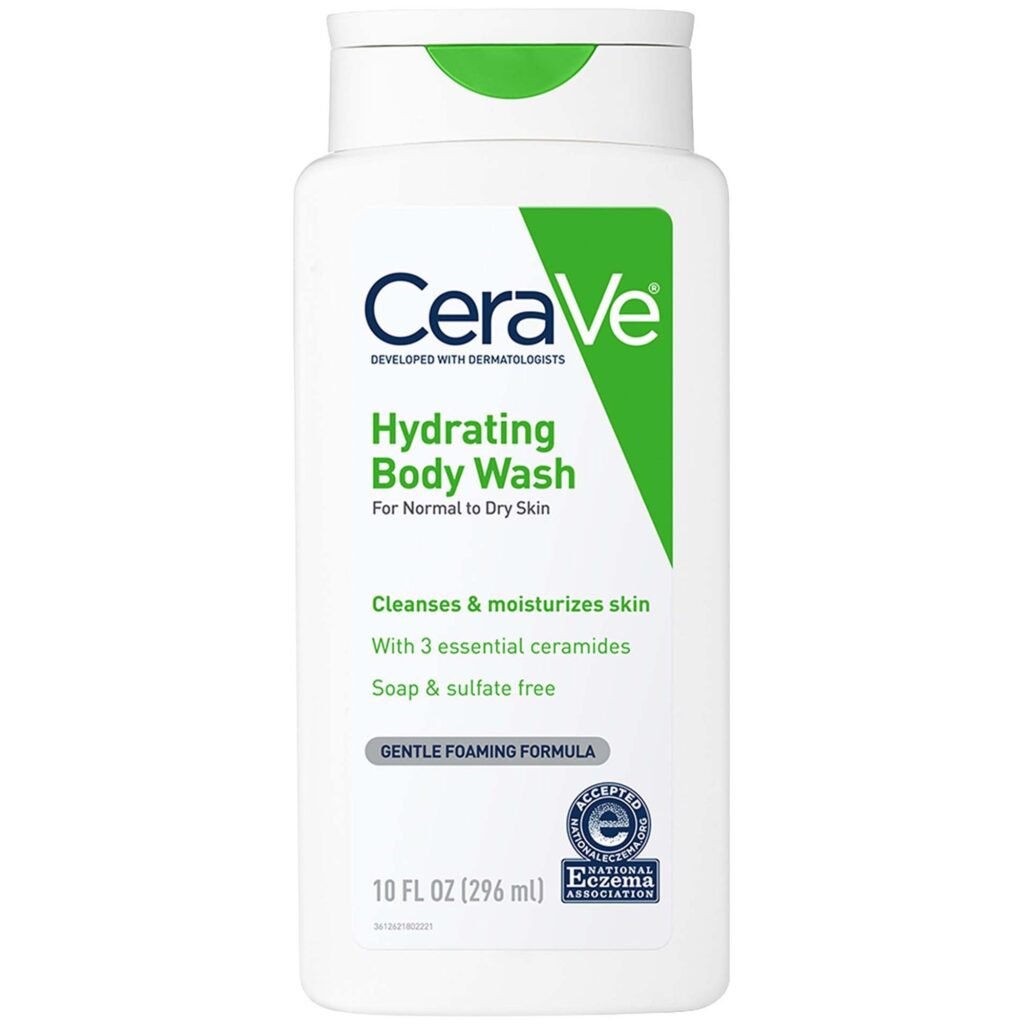
CeraVe pairs three essential ceramides with hyaluronic acid, so skin feels soft rather than squeaky after rinsing. The brand says it is free of sulfates, fragrance and dyes, and it carries the National Eczema Association seal (CeraVe).
What we like: Ceramides and hyaluronic acid, fragrance-free, great value for a large bottle.
Vanicream Gentle Body Wash
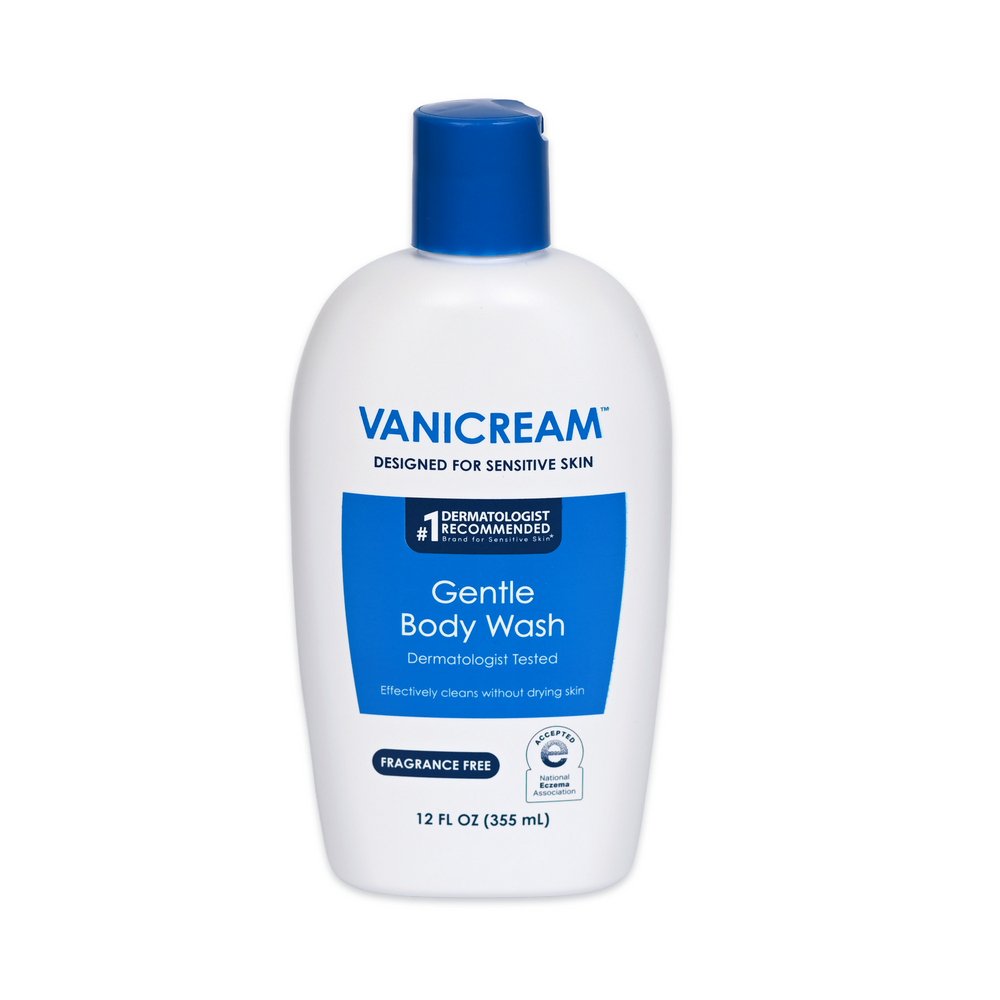
Vanicream is built for reactive skin: glycerin, gentle coco-glucoside and sodium cocoyl glycinate cleansers, and panthenol. It skips fragrance, dyes, parabens, sulfates and betaine, and it has the National Eczema Association seal (Vanicream).
What we like: One of the shortest, gentlest ingredient lists on the shelf.
Best for rough, dull skin
Exfoliating acids loosen the dead skin cells that make skin feel rough and look dull. In a wash, they work best when you give them a minute before rinsing.
PureForm Ingredient Check
Glycolic acid
What it is: An alpha hydroxy acid (AHA).
Primary function: Loosens the bonds between dead skin cells for smoother texture.
Evidence: Well studied. An independent safety panel considers glycolic and lactic acid products safe at 10% or less, with a pH of 3.5 or higher (FDA).
Considerations: AHAs can make skin more sun-sensitive, so use sunscreen on exposed areas.
Marketing reality: Brands rarely list the percentage, so strength is hard to compare.
Naturium The Smoother Glycolic Acid Body Wash

Naturium blends glycolic, lactic, malic, pyruvic and tartaric acids in a fragrance-free wash. It is an affordable way to bring smoother skin into a regular shower (INCIDecoder).
What we like: Five-acid blend, fragrance-free, budget-friendly.
Worth knowing: The acid percentage isn’t disclosed, so start two or three times a week.
Sol de Janeiro Bom Dia Bright AHA BHA Body Wash

This is the splurge pick for people who want their shower to feel like a treat. Sol de Janeiro combines fruit AHAs and lactic acid with salicylic acid, so it smooths rough texture and helps with bumps and ingrown hairs, then finishes with the brand’s signature fragrance. You pay more than for a drugstore wash, mainly for the scent and sensory experience (Sephora).
What we like: AHA plus BHA in one step, a scent many people buy it for, pairs with Sol de Janeiro’s body creams and mists.
Worth knowing: Contains fragrance, so skip it if your skin is sensitive.
Best for body acne
PureForm Ingredient Check
Salicylic acid
What it is: A beta hydroxy acid (BHA) that dissolves in oil.
Primary function: Loosens dead skin and clears clogged pores.
Why brands use it: At 0.5% to 2% it is an FDA-recognized over-the-counter acne ingredient, so acne washes carry a Drug Facts label.
Evidence: Well established for acne. The American Academy of Dermatology also lists it for rough, bumpy skin (AAD).
Considerations: Can be drying, especially alongside other acne products.
Neutrogena Body Clear Body Wash

Neutrogena Body Clear is an over-the-counter acne wash with 2% salicylic acid, the maximum allowed. Massage it onto breakout areas like the back and chest, let it sit briefly, then rinse (Neutrogena).
What we like: Full-strength 2% salicylic acid, widely available, affordable.
Worth knowing: Contains fragrance and dyes.
CeraVe SA Body Wash

CeraVe SA pairs salicylic acid with ceramides, niacinamide and hyaluronic acid, so it smooths bumps without leaving skin stripped. It is free of added fragrance and a good fit for rough upper arms and thighs (CeraVe).
What we like: Exfoliates and hydrates in one step, fragrance-free.
For back acne that doesn’t clear, the American Academy of Dermatology suggests a 5.3% benzoyl peroxide wash, left on for 2 to 5 minutes before rinsing. It bleaches fabric, so use white towels (AAD).
How to use body wash for softer skin
These tips follow the American Academy of Dermatology’s advice for dry skin (AAD).
- Keep showers to 5 to 10 minutes in warm, not hot, water.
- Focus cleanser where you need it: armpits, groin and feet.
- Let acid washes sit for about a minute before rinsing.
- Pat skin dry instead of rubbing.
- Moisturize within a few minutes, while skin is still damp.
Body wash, bar soap or syndet bar?
All three clean. The difference is how they treat your skin barrier.
| Type | What it is | pH | Good for |
|---|---|---|---|
| Traditional bar soap | Fats or oils reacted with an alkali | Alkaline (high) | Normal, oily skin; can dry sensitive skin |
| Syndet bar | A bar made with synthetic detergents, like many “beauty bars” | Neutral to slightly acidic | Dry and sensitive skin |
| Liquid body wash | Gentle surfactants plus moisturizers or actives | Usually neutral to slightly acidic | Every skin type; easiest way to add acids or ceramides |
Healthy skin sits around pH 4.7, according to research by Lambers and colleagues (2006). Cleansers closer to that level tend to be gentler. The AAD also notes that bar soap can dry skin, which matters if you have keratosis pilaris or eczema.
How to read a body wash label
You do not need to understand every ingredient. Look for these groups:
| Ingredient group | Examples | What it tells you |
|---|---|---|
| Harsher surfactants | Sodium lauryl sulfate (SLS) | Strong cleansing; may dry or irritate sensitive skin |
| Milder surfactants | Coco-glucoside, decyl glucoside, sodium cocoyl isethionate, sodium cocoyl glycinate | Gentler cleansing for daily use |
| Humectants | Glycerin, hyaluronic acid | Help skin hold water |
| Barrier helpers | Ceramides, niacinamide, oils | Support the skin barrier |
| Actives | Glycolic, lactic or salicylic acid; benzoyl peroxide | Exfoliate or fight breakouts |
| Fragrance | Fragrance, parfum, essential oils | Nice scent; a common irritant for reactive skin |
Ingredients are listed from most to least. If fragrance appears near the top and you have sensitive skin, look for a fragrance-free option.
Loofah, washcloth or hands?
Hands are the gentlest option and work fine for most people. A soft washcloth adds light exfoliation. Loofahs and back brushes are the roughest.
The AAD warns that loofahs, back brushes and buff puffs can worsen body acne. Whatever you use, rinse it, let it dry outside the shower, and replace it often so bacteria do not build up.
Is antibacterial body wash better?
No. In 2016, the FDA said makers of consumer antibacterial washes had not shown these products work better than plain soap and water at preventing illness. It removed common antibacterial ingredients such as triclosan from these products. The AAD also notes that antibacterial soaps can worsen acne. A gentle wash is all most people need.
Splurge or save: acid body washes
Want smoother skin from your body wash? Here is how the budget and premium acid washes in this guide compare.
| Save: Naturium The Smoother | Splurge: Sol de Janeiro Bom Dia Bright | |
|---|---|---|
| Main actives | Glycolic acid | AHAs plus BHA |
| Scent | Light | Signature Sol de Janeiro scent |
| Best for | Rough, dull skin on a budget | Smoothing plus a scented shower ritual |
| Why pay more? | Not needed for results | You love the scent and experience |
Which body wash for which need?
| Your concern | Look for | Our pick | How to use it |
|---|---|---|---|
| Dry or tight skin | Creamy wash with glycerin or ceramides | CeraVe Hydrating Body Wash | Daily, short warm showers |
| Sensitive or eczema-prone | Fragrance-free, dye-free, mild surfactants | Vanicream Gentle Body Wash | Daily; moisturize right after |
| Rough, dull skin | Glycolic or lactic acid | Naturium The Smoother | 2 to 3 times a week |
| Bumpy, dry skin (KP) | Salicylic acid plus ceramides | CeraVe SA Body Wash | Leave on about a minute, then rinse |
| Body acne | Salicylic acid or benzoyl peroxide | Neutrogena Body Clear | After sweating; leave on briefly |
| Scent and ritual | A signature fragrance and smoothing acids | Sol de Janeiro Bom Dia Bright | A few times a week |
How much body wash should you use?
A quarter-sized amount covers the key areas for most people. Using more does not clean better. It just rinses away more of your skin’s natural oils and empties the bottle faster.
Winter vs summer body wash
- Winter: switch to a creamy, fragrance-free wash, cut acid washes to once or twice a week, and keep showers short and warm.
- Summer: a salicylic acid wash after workouts helps with sweat-related breakouts, and lighter, fresh scents feel better in the heat.
FAQ
Is body wash better than bar soap? Not always. Traditional soap is alkaline and can be drying, but a gentle “syndet” or beauty bar can be as mild as a liquid wash.
Can I use face wash on my body? Yes, if it suits your skin. Body washes simply give you more product for the price.
Do exfoliating washes replace a scrub? For most people, yes. Acids smooth skin without the friction that can irritate it.
How often should I use an acid body wash? Start two or three times a week and build up if your skin stays comfortable.
Is a luxury body wash worth it? If you love the scent and ritual, it can be. For pure skin benefits, the drugstore picks here use the same key ingredients.
Should I use body wash every day? On your underarms, groin and feet, yes. The rest of your body often needs only warm water, especially if your skin is dry.
Can men and women use the same body wash? Yes. Skin type matters more than gender. The difference is mostly scent and packaging.
Does body wash expire? Most last about a year or more after opening. If the color, smell or texture changes, replace it.
Can I use body wash on my face? Fragrance-free, gentle washes may be fine. Acid or scented body washes can be too strong for facial skin, so stick to a face cleanser.
The bottom line
Choose your body wash by what your skin needs: gentle and fragrance-free for dry or sensitive skin, acids for rough texture, salicylic acid for breakouts. Give actives a minute on your skin, then follow with a body lotion to lock in moisture.
Affiliate disclosure: this article contains affiliate links. We may earn a small commission if you buy through them, at no extra cost to you. This does not change our recommendations.
This article is for informational purposes only and is not medical advice.
References
- Lambers H et al. Natural skin surface pH is on average below 5, which is beneficial for its resident flora. Int J Cosmet Sci. 2006;28(5):359-370.
- Ananthapadmanabhan KP et al. Cleansing without compromise: the impact of cleansers on the skin barrier and the technology of mild cleansing. Dermatol Ther. 2004;17(Suppl 1):16-25.
- American Contact Dermatitis Society. Allergen of the Year 2004: cocamidopropyl betaine.
- U.S. Food and Drug Administration (2016). FDA issues final rule on safety and effectiveness of antibacterial soaps.
- American Academy of Dermatology. “How to get rid of back acne.”
- American Academy of Dermatology. “Keratosis pilaris: Self-care.”