
Most collagen products are either under-dosed, use the wrong type, or skip the quality testing that tells you whether what is on the label is actually in the bottle. This guide cuts through the marketing and shows you what the research actually supports.
| Pick | Best For | |
|---|---|---|
| Vital Proteins Collagen Peptides | Overall pick | Check Price → |
| Thorne Collagen Plus | Best quality | Check Price → |
| Sports Research Collagen Peptides | Best value | Check Price → |
| Orgain Collagen Peptides | Best budget | Check Price → |
What collagen actually is
Collagen is the most abundant protein in the human body. It forms the structural framework of your skin, tendons, ligaments, cartilage, and bones. After your mid-20s, your body produces roughly 1% less collagen each year. Supplementing with hydrolyzed collagen peptides gives your body the amino acid building blocks it needs to support this natural production.
The key word is hydrolyzed. Standard collagen molecules are too large to be absorbed intact. Hydrolyzed collagen (also called collagen peptides) has been broken down into smaller chains that absorb efficiently into the bloodstream and are carried to skin, joint, and connective tissue.
Types of collagen: which one do you need?
Type I makes up 90% of your body’s collagen. It’s found in skin, hair, nails, tendons, and bone, and is most directly linked to skin elasticity and firmness.
Type II is concentrated in cartilage and is the relevant type for joint health, found primarily in chicken-sourced collagen.
Type III is found alongside Type I in skin and organs, contributing to skin structure and gut lining integrity.
Most supplements use bovine collagen (Types I and III). Marine collagen is exclusively Type I. For skin and general wellness, either works well. For joint health specifically, look for chicken or Type II collagen.
What the research actually shows
The evidence for hydrolyzed collagen is genuinely strong. A 2019 systematic review in the Journal of Drugs in Dermatology found that oral collagen supplementation significantly improved skin hydration, elasticity, and density across multiple randomized controlled trials. A 2021 review in Nutrients confirmed benefits for joint pain and cartilage health in active adults.
The critical caveat: most strong studies use 10 to 15 grams of hydrolyzed collagen peptides per day. Many products on the market provide 5g or less per serving. Based on the available evidence, that’s likely insufficient. Dose matters more than brand.
One more thing worth knowing: Vitamin C is essential for collagen synthesis. Taking collagen alongside a source of Vitamin C meaningfully improves how well your body uses the amino acids you’ve consumed.
What to look for on the label
- At least 10g per serving of hydrolyzed collagen peptides. Anything under 5g is likely under-dosed.
- Third-party testing. Look for NSF, Informed Sport, or Labdoor verification.
- Minimal additives. Unflavored versions give you the most control over what you’re consuming.
- Source transparency. Grass-fed bovine or wild-caught marine are preferable. “Pasture-raised” is a meaningful signal; “natural flavors” is not.
Our top picks
Best overall: Vital Proteins Collagen Peptides
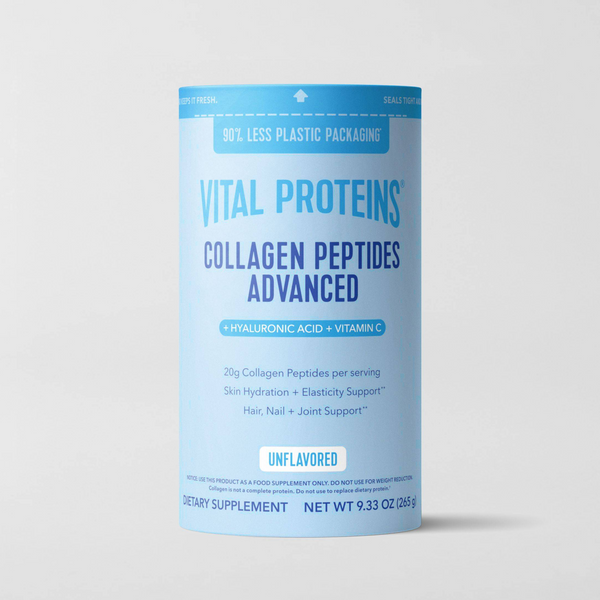
Representative product image
The category leader for good reason. Sourced from grass-fed, pasture-raised cattle with 20g of collagen per serving. The unflavored version contains one ingredient: bovine hide collagen peptides. Dissolves cleanly in hot or cold liquids without clumping.
What we like: 20g dose per serving, single-ingredient formula, mixes well, widely available for easy reordering.
Worth knowing: Not third-party certified for sport — competitive athletes should look at Thorne instead.
Best quality: Thorne Collagen Plus
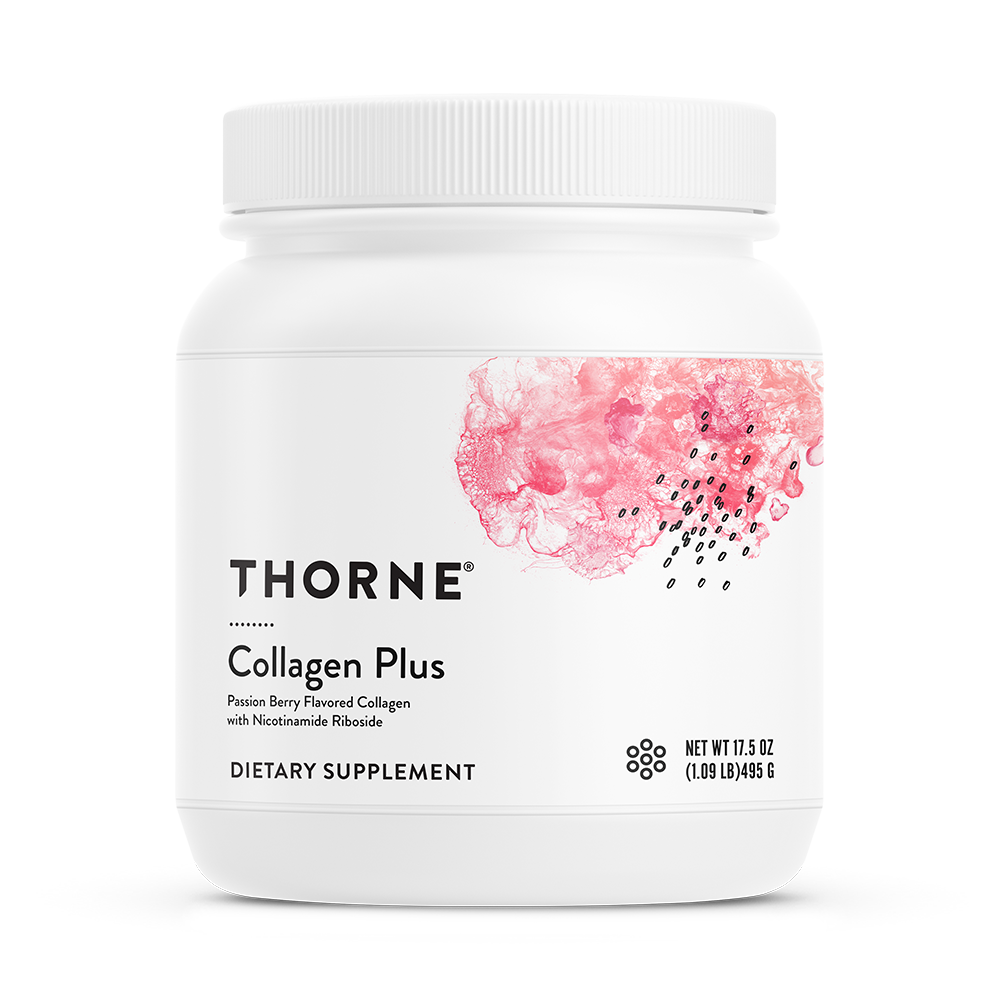
Representative product image
Thorne submits to NSF third-party batch testing, making it one of the few collagen products you can independently verify. Their Collagen Plus formula combines Type I and III bovine collagen with a targeted amino acid blend. The standard for quality-conscious buyers.
What we like: NSF certified, clean ingredient list, manufacturing standards among the highest in the industry.
Best value: Sports Research Collagen Peptides

Representative product image
Uses wild-caught marine collagen from North Atlantic pollock with MSC-certified sustainable sourcing. At 11g per serving with no artificial additives, this sits in the sweet spot of dose and value. Regularly tested by Labdoor.
What we like: Sustainably sourced, solid dose, Labdoor verified, meaningfully lower cost per serving than premium brands.
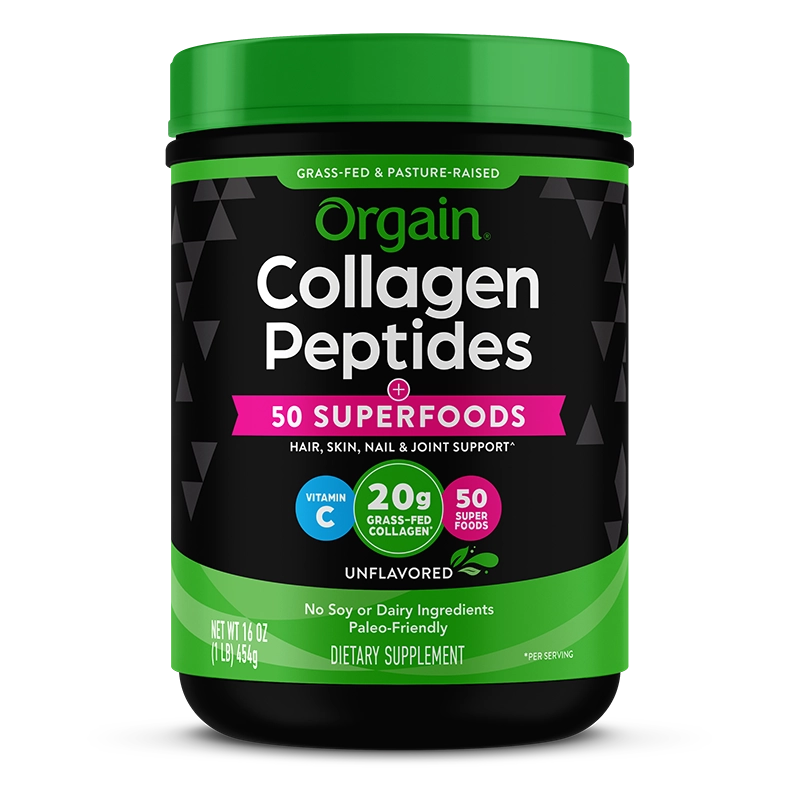
Best budget: Orgain Collagen Peptides
Representative product image
Grass-fed bovine collagen with a clean, short ingredient list. For buyers who want a reliable product without the premium markup, Orgain consistently delivers. High marks for mixability and neutral flavor.
What we like: Affordable, clean formula, easy to find at major retailers.
How to take collagen
Consistency matters more than timing. Take 10 to 15g of hydrolyzed collagen peptides daily and pair it with a source of Vitamin C. Most people stir it into morning coffee, a smoothie, or warm water. Results from skin and joint studies typically appear after 8 to 12 weeks of daily use — this is not a supplement where you’ll feel a difference in a week. Give it three months before evaluating whether it’s working for you.