
Berberine is real, and it has genuine science behind it. The “nature’s Ozempic” label attached to it online is not accurate, and treating the two as interchangeable could lead you to expect results that simply will not happen. Here is what the clinical evidence actually supports, and where the hype has run ahead of it.
| Pick | Best For | |
|---|---|---|
| Thorne Berberine | Overall pick | Check Price → |
| NOW Foods Berberine | Best value | Check Price → |
| Pure Encapsulations Berberine | Best clean formula | Check Price → |
| Integrative Therapeutics Berberine | Best clinical-grade | Check Price → |
What berberine actually is
Berberine is a plant compound found in several herbs including barberry, goldenseal, and Oregon grape. It has been used in Traditional Chinese Medicine and Ayurvedic medicine for centuries, primarily for digestive and metabolic complaints. Modern interest exploded after research showed it activates AMPK, an enzyme often called the body’s metabolic master switch that regulates how cells use energy.
What the science actually supports
Multiple small clinical trials have shown berberine can produce modest improvements in blood sugar regulation, with some studies showing effects loosely comparable to low-dose metformin for glucose metabolism. A meta-analysis of trials found berberine can produce a 1 to 3 percent reduction in body weight over several months when combined with diet changes.
For comparison: Wegovy at a maintenance dose produces roughly 14.9 percent weight loss in trials, and Zepbound at 15mg produces roughly 21 percent. Prescription GLP-1 medications are simply five to ten times more effective for weight loss than berberine. This is not a knock on berberine, it is a different category of intervention entirely, and pretending otherwise sets people up for disappointment.
Is berberine “nature’s Ozempic”? Being honest about the comparison
Berberine is not a GLP-1 receptor agonist and does not work through the same biological pathway as Ozempic, Wegovy, or Zepbound. The comparison exists mostly because both are associated with blood sugar and metabolic health, and because “nature’s Ozempic” is a compelling marketing phrase, not a scientific classification.
Where berberine may genuinely help: modest blood sugar support, some improvement in cholesterol markers, and appetite regulation for people not using prescription medication. Where it will disappoint: anyone expecting Ozempic-level weight loss results.
Who berberine actually makes sense for
Berberine is most reasonably considered by people looking for general metabolic and blood sugar support alongside diet and exercise changes, not as a weight loss shortcut and not as a substitute for prescribed medication if you have diagnosed diabetes or need more significant intervention. Anyone on blood sugar medication should talk to a doctor before adding berberine, since the combined effect on blood glucose can be additive.
What to look for in a berberine supplement
- Dose: Most studies use approximately 500mg taken two to three times per day (1,000 to 1,500mg total daily), not a single dose.
- Third-party testing. The berberine market is flooded with cheap, unverified products. Look for NSF or GMP-certified manufacturers.
- Minimal filler ingredients. Berberine alone is well studied; heavily stacked formulas with proprietary blends make it hard to know what dose you are actually getting.
- Realistic marketing. Be skeptical of products using “nature’s Ozempic” language or celebrity endorsement claims, both consistent red flags in this category.
Our top picks
Best overall: Thorne Berberine

Representative product image
Thorne is NSF Certified for Sport and uses a clean 500mg berberine HCl formula with no unnecessary additives. Their manufacturing transparency is among the best in the industry, which matters in a category with this much noise.
What we like: Third-party tested, precise 500mg dosing, no proprietary blend.
Best value: NOW Foods Berberine
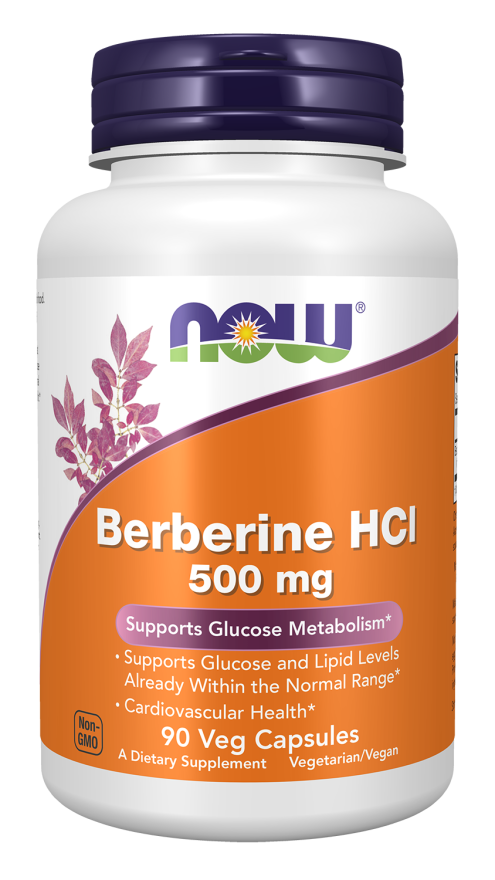
Representative product image
NOW Foods is GMP-certified and offers a straightforward 400mg berberine formula at a meaningfully lower price point than premium brands, without cutting corners on manufacturing standards.
What we like: Trusted, long-standing brand, GMP certified, accessible price.
Best clean formula: Pure Encapsulations Berberine
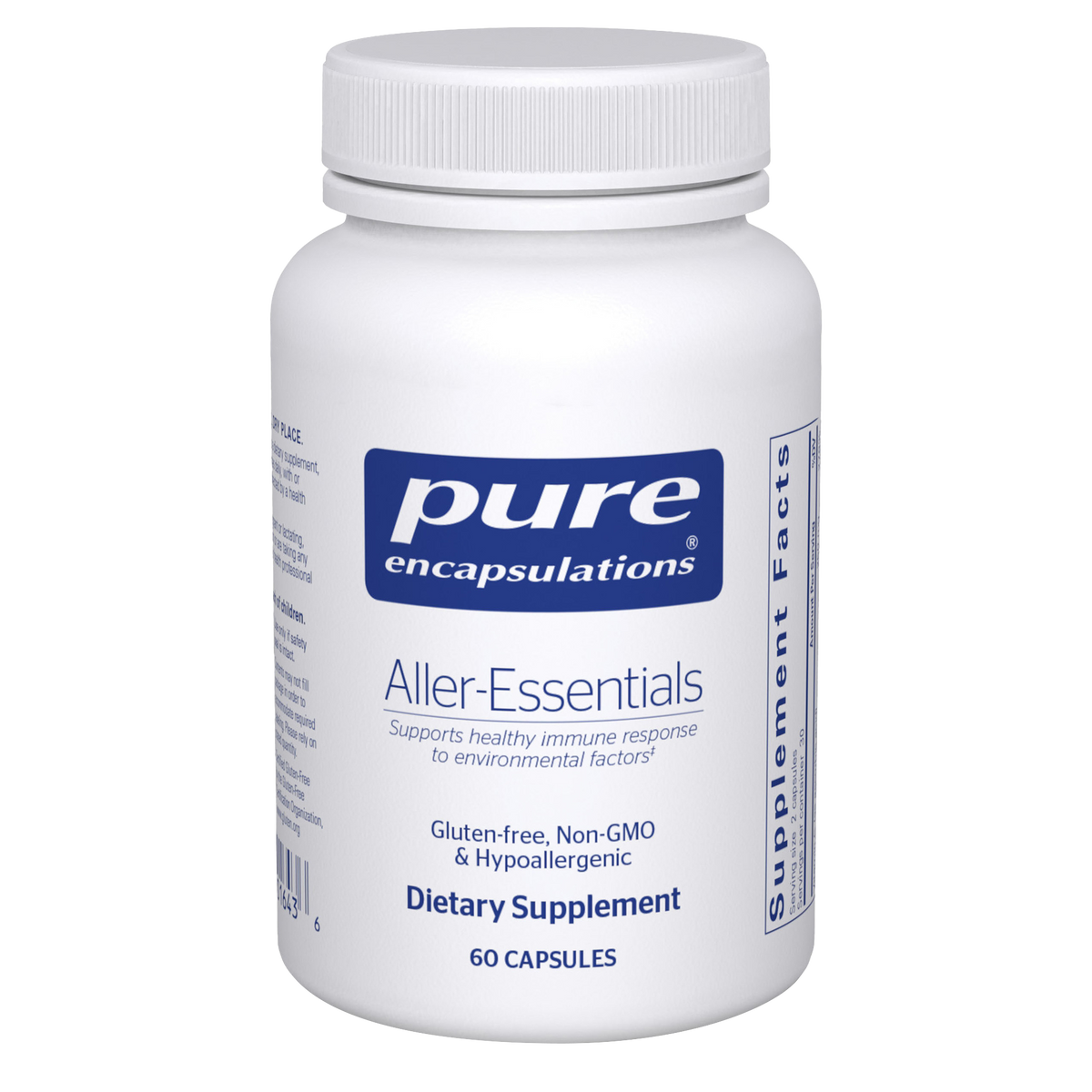
Representative product image
Pure Encapsulations is known for hypoallergenic formulations free of common allergens and unnecessary fillers. Their 500mg berberine capsules are NSF certified and a strong option for anyone with sensitivities.
What we like: Hypoallergenic, NSF certified, minimal ingredient list.
Best clinical-grade option: Integrative Therapeutics Berberine

Representative product image
A practitioner-grade formula often recommended by functional medicine providers. The 500mg dose and manufacturing standards make this a solid choice for anyone who wants the option their doctor might also recommend.
What we like: Practitioner-trusted brand, consistent potency, clean formulation.
The bottom line
Berberine is a legitimate supplement with real, modest evidence behind it for blood sugar and metabolic support. It is not a plant-based substitute for Ozempic, and any brand claiming otherwise is overselling what the research actually shows. If you are deciding between the two, that decision belongs with your doctor, not a supplement label.
This article is for informational purposes and is not medical advice. Always talk to your healthcare provider before starting a new supplement, especially if you take blood sugar medication or have a diagnosed metabolic condition.