
Protein powder is one of the most purchased supplements on the market, and also one of the least regulated for what actually ends up in the tub. Independent testing groups have repeatedly found that some protein powders, plant-based blends in particular, contain more lead and cadmium than public health guidelines recommend. Here is how to actually choose one.
| Pick | Best For | |
|---|---|---|
| Transparent Labs 100% Grass-Fed Whey Isolate | Overall pick | Check Price |
| Naked Nutrition Naked Pea | Best plant-based | Check Price |
| Optimum Nutrition Gold Standard Whey | Most popular | Check Price |
Whey vs plant-based
Whey protein comes in concentrate, isolate, and hydrolysate forms. Isolate has most of the lactose and fat removed, making it easier on sensitive stomachs, and provides a complete amino acid profile with a high concentration of leucine, the amino acid most directly tied to muscle protein synthesis. Hydrolysate is pre-broken-down for faster absorption, at a higher price, and is unnecessary for most people.
Plant-based protein powders typically blend two or more sources, most often pea and rice, because a single plant protein source is usually missing or low in at least one essential amino acid. A well-formulated blend closes that gap. Texture and taste have improved substantially in recent years, though most plant blends are still slightly grainier than whey.
Why third-party testing matters more here
Because of the documented contamination issue, look specifically for NSF Certified for Sport or Informed Sport and Informed Choice certification, which test for heavy metals and banned substances rather than just confirming protein content. A product with no independent testing is not automatically unsafe, but it also has no outside verification.
Our top picks
Best overall: Transparent Labs 100% Grass-Fed Whey Isolate

Representative product image
A whey isolate sourced from grass-fed cows with no artificial sweeteners, dyes, or proprietary blends, and full label transparency on every ingredient and amount.
What we like: Grass-fed isolate, no artificial additives, complete label transparency.
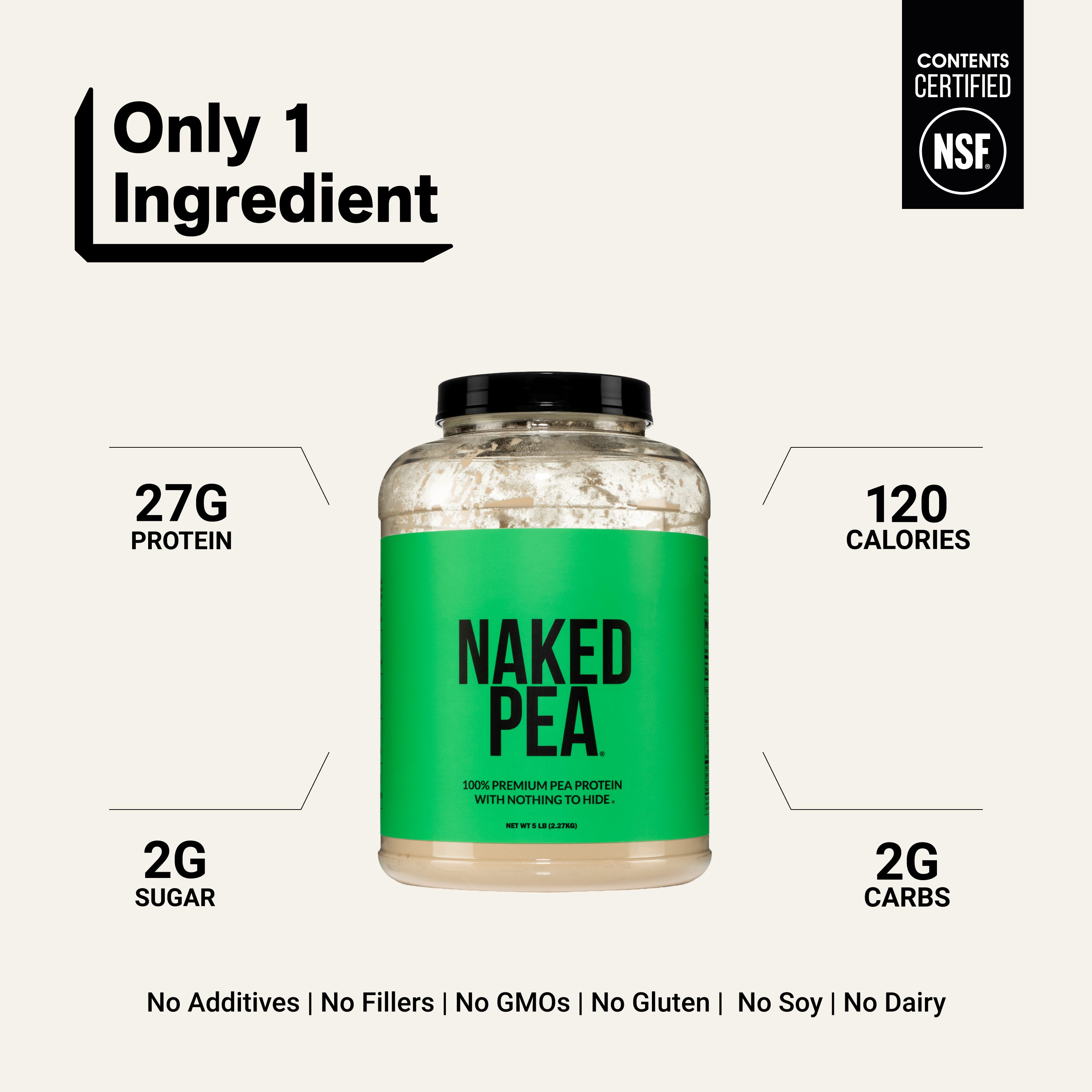
Best plant-based: Naked Nutrition Naked Pea
Representative product image
A single-ingredient pea protein isolate with nothing added, third-party tested, and a common building block for buyers who prefer to add their own flavoring.
What we like: Single-ingredient formula, third-party tested, no artificial additives.
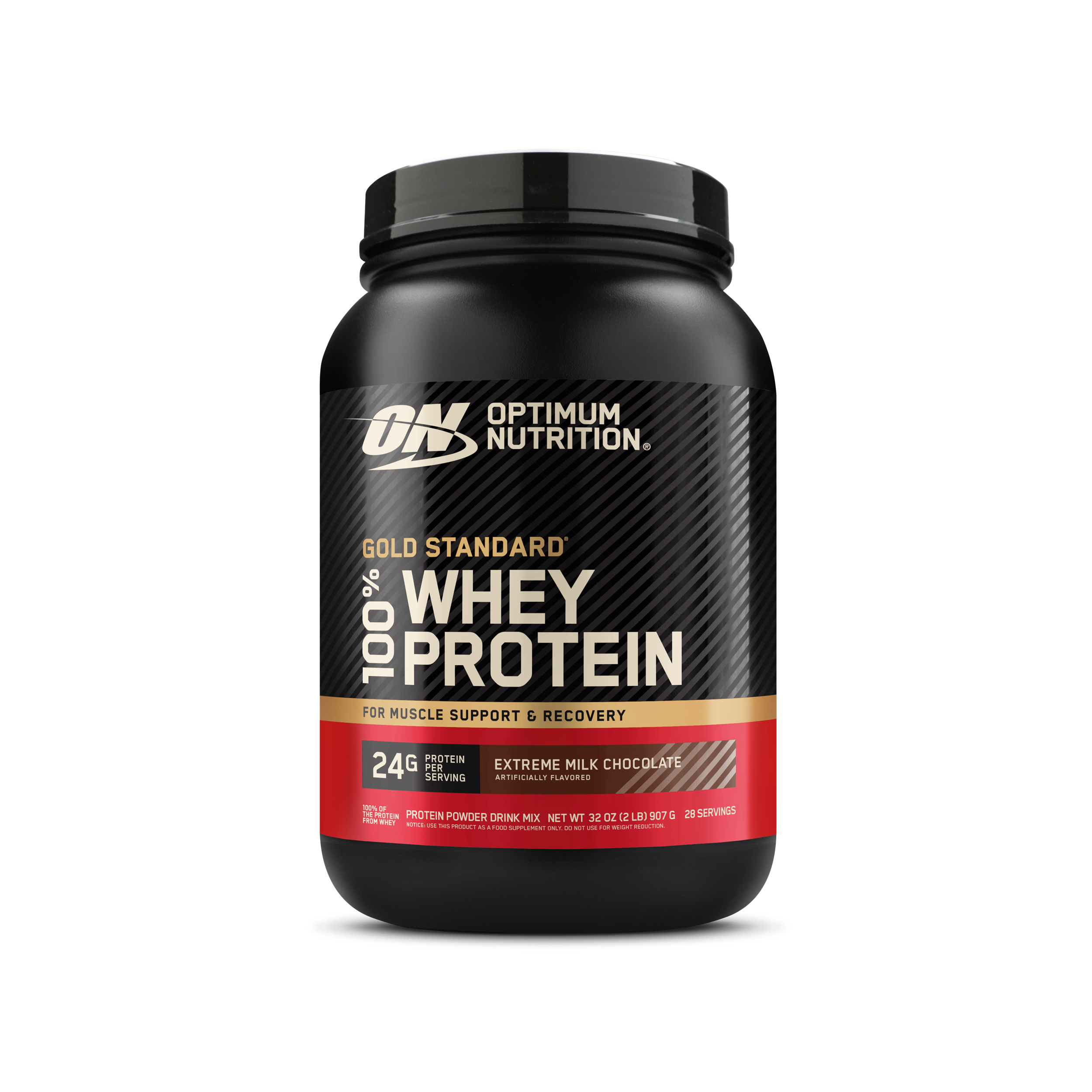
Most popular: Optimum Nutrition Gold Standard Whey
Representative product image
The best-selling whey protein for good reason: consistent quality, wide flavor selection, and broad availability, with a dedicated NSF Certified for Sport version for anyone subject to drug testing.
What we like: Widely available, consistent quality, NSF Certified for Sport version exists.
How much you actually need
Most research supports roughly 20 to 40 grams of protein per serving, depending on body size and total daily protein needs, with total daily intake mattering far more than the specific timing of when you drink it.
The right protein powder depends more on your dietary preferences and gut tolerance than on marketing claims. Prioritize a complete amino acid profile and independent testing over flavor system hype.
Affiliate disclosure: this article contains affiliate links. We may earn a small commission if you purchase through them at no extra cost to you.
Medical disclaimer: this article is for informational purposes only and is not a substitute for professional medical advice. Consult a licensed healthcare provider before starting any supplement, particularly if you have kidney disease or a milk protein allergy.