
By PureForm Editorial · Last reviewed · Sources
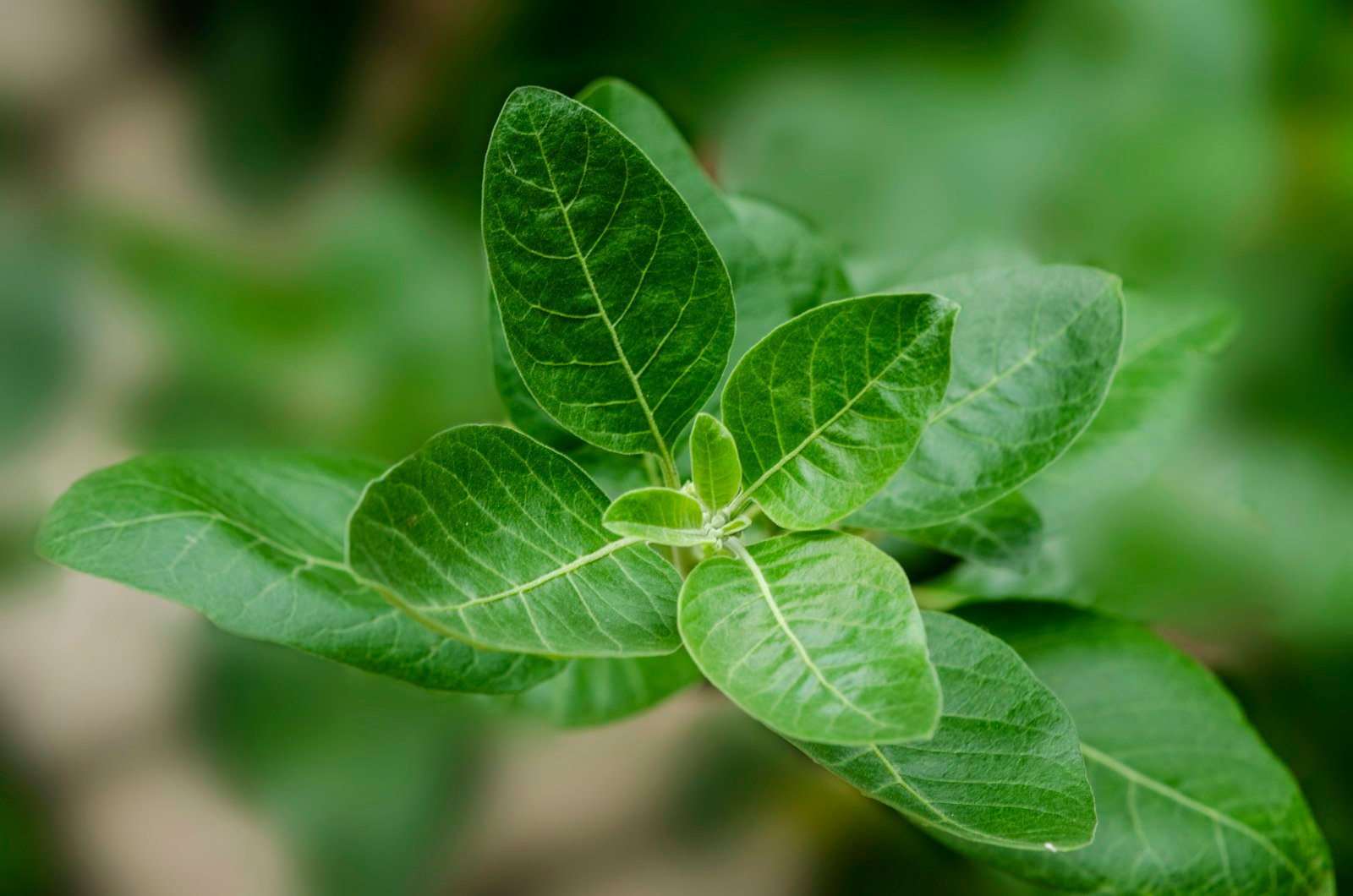
Ashwagandha has become one of the most talked-about supplements online, credited with everything from stress relief to muscle gains to better sleep. Some of that is supported by real research. Some of it is marketing that has outrun the evidence. Here is what actually holds up.
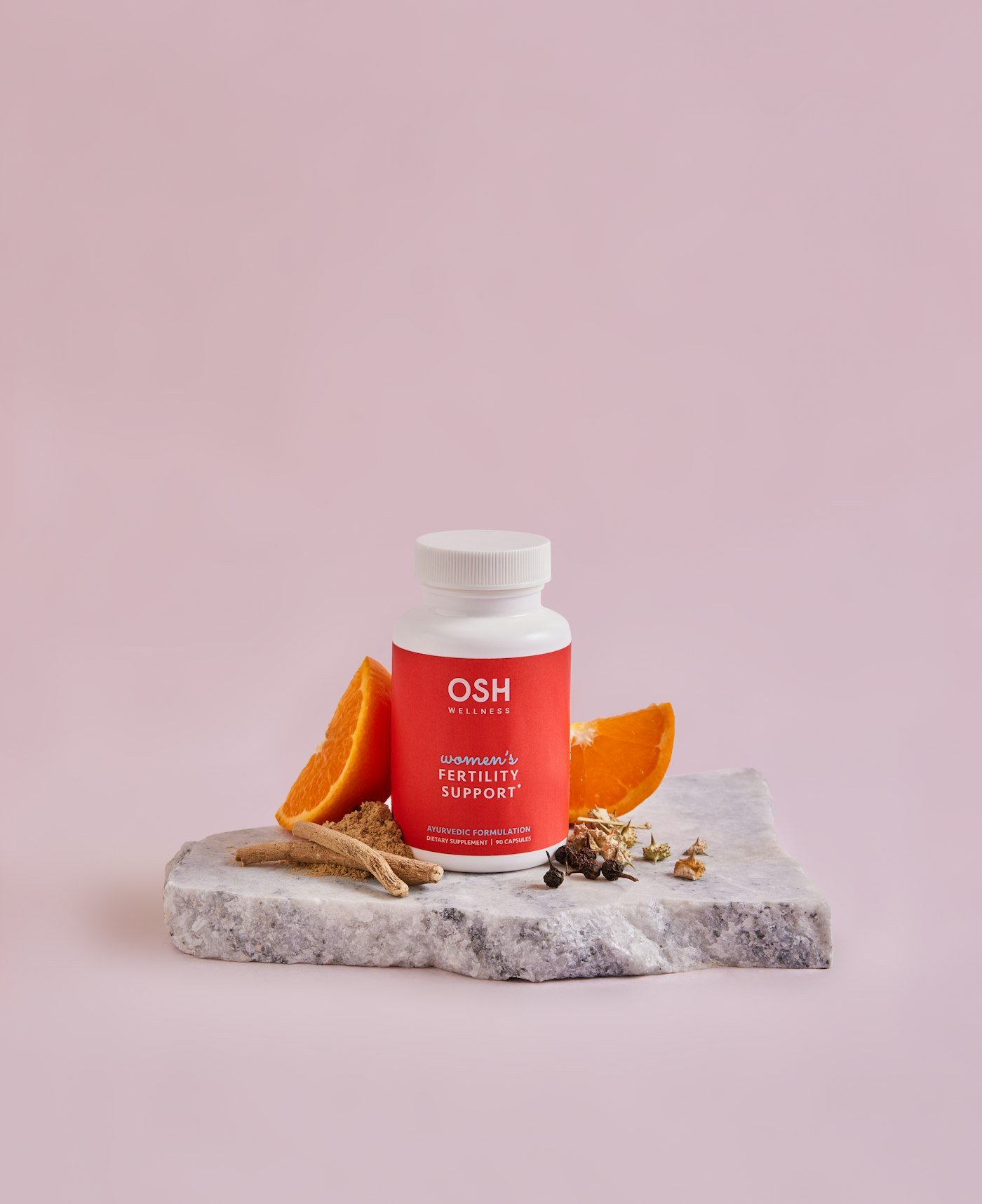
| Pick | Best For | |
|---|---|---|
| Nutricost Ashwagandha KSM-66 | Overall pick | Check Price → |
| NOW Ashwagandha Extract | Best value | Check Price → |
| Gaia Herbs Ashwagandha Root | Best whole-herb option | Check Price → |
What ashwagandha actually is
Ashwagandha (Withania somnifera) is an adaptogenic herb used for centuries in Ayurvedic medicine. Modern research is concentrated almost entirely on two standardized extracts: KSM-66 and Sensoril, which differ in their withanolide concentration and in which effects they have been studied for. A product using an unstandardized ashwagandha extract has far less research behind it than one using a named, studied extract.
What the research actually supports
Stress and cortisol: several randomized controlled trials, mostly using KSM-66 and often small or funded by the extract maker, found reductions in perceived stress and measured cortisol over about 8 weeks. Sleep: modest improvements in sleep quality in several trials, more noticeable in people with stress-related sleep problems than in people who already sleep well. Strength and exercise: some studies show better strength gains and recovery in resistance-trained men; evidence in women is thinner. Testosterone and libido: small increases in testosterone were seen in some studies in men; research in women is limited. Overall, the trials are short and small, so these results are promising rather than conclusive.
Who should be cautious
Ashwagandha can increase thyroid hormone levels, so people with hyperthyroidism or Graves disease should talk to a doctor before using it. It may also stimulate the immune system, which is why people with autoimmune conditions are usually advised to check with a doctor first. Rare cases of liver injury have been reported, and it is not recommended during pregnancy.
Our top picks
Best overall: Nutricost Ashwagandha KSM-66

Representative product image
Uses KSM-66, the extract behind much of the clinical research on stress and sleep, at 600mg per serving. Nutricost states that its products are third-party tested; check the label for current details.
What we like: Clinically-studied KSM-66 extract, single-ingredient formula, good price per serving.
Best value: NOW Ashwagandha Extract
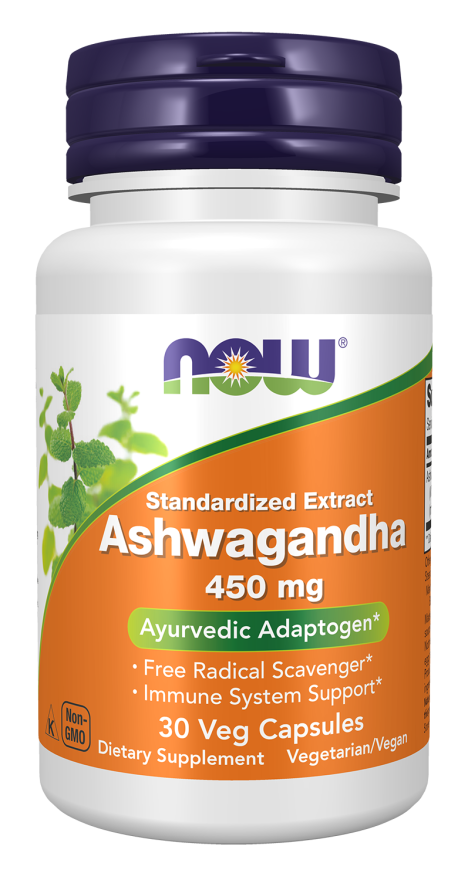
Representative product image
A GMP-certified option at a lower price point, suitable for anyone who wants to try ashwagandha before committing to a premium branded extract.
What we like: Trusted long-standing brand, GMP certified, accessible price.
Best whole-herb option: Gaia Herbs Ashwagandha Root

Representative product image
Made from the whole root rather than an isolated extract, for buyers who prefer a traditional, minimally processed form over a standardized extract.
What we like: Whole-root formulation, non-GMO, well-established herbal supplement brand.
How to take it
Most research uses 300 to 600mg of a standardized extract, taken once or twice daily with food. Benefits build gradually. This is not a same-day-effect supplement — give it 4 to 8 weeks of consistent use before deciding whether it is working for you.
Ashwagandha has more evidence behind it than many trending supplements, but the studies are small and short, the benefits look moderate rather than dramatic, and results depend on using a studied extract at a reasonable dose.
Safety note: Talk to a healthcare provider before taking ashwagandha, especially if you have a thyroid or autoimmune condition or are pregnant.
Sources
- NIH Office of Dietary Supplements. Ashwagandha: Is it helpful for stress, anxiety, or sleep? Fact Sheet for Health Professionals. View source
- Chandrasekhar K et al. (2012). A prospective, randomized double-blind, placebo-controlled study of safety and efficacy of a high-concentration full-spectrum extract of ashwagandha root in reducing stress and anxiety in adults. Indian journal of psychological medicine. PubMed
- Salve J et al. (2019). Adaptogenic and Anxiolytic Effects of Ashwagandha Root Extract in Healthy Adults: A Double-blind, Randomized, Placebo-controlled Clinical Study. Cureus. PubMed
- Langade D et al. (2019). Efficacy and Safety of Ashwagandha (Withania somnifera) Root Extract in Insomnia and Anxiety: A Double-blind, Randomized, Placebo-controlled Study. Cureus. PubMed
- Wankhede S et al. (2015). Examining the effect of Withania somnifera supplementation on muscle strength and recovery: a randomized controlled trial. Journal of the International Society of Sports Nutrition. PubMed
We link to the original studies and official fact sheets behind this article. Read how we evaluate research in our Editorial Standards.