
Creatine has spent three decades being marketed almost exclusively to bodybuilders and male athletes. That framing was never based on biology, it was based on who supplement companies chose to market to. The research on creatine for women has existed for years; it is only recently getting the attention it deserves.
| Pick | Best For | |
|---|---|---|
| Thorne Creatine | Overall pick | Check Price → |
| Nutricost Creatine Monohydrate | Best value | Check Price → |
| Momentous Creatine | Best for women specifically | Check Price → |
| Garden of Life Sport Organic Creatine | Best clean and organic | Check Price → |
What creatine actually is
Creatine is a compound your body already produces in small amounts in the liver and kidneys, and stores primarily in muscle tissue. It plays a central role in producing ATP, the energy currency your cells use for nearly everything, from muscle contraction to brain activity. Dietary sources include meat and fish, but supplementation raises muscle creatine stores well above what diet alone typically achieves.
Busting the "makes you bulky" myth
This is the single biggest reason women avoid creatine, and it does not hold up. The 1 to 2 pound weight increase some people see in the first week is water retained inside muscle cells, not fat, and not bloat in the way people imagine. It reflects the muscle’s improved capacity to store energy, not a change in body composition. It also is not universal; not everyone experiences it, and it typically stabilizes within a couple of weeks.
What the research actually shows for women
A 2021 review by Smith-Ryan and colleagues described creatine as "a particularly important supplement for females across the lifespan," and research since then has continued to build the case in several specific areas:
- Strength and training performance: The most established benefit. Creatine improves power output and recovery between sets, translating to more productive strength training over time.
- Bone health: Emerging research suggests creatine, combined with resistance training, may help preserve bone density, particularly relevant during and after menopause when bone loss accelerates.
- Brain function: A 2021 review in Nutrients found higher doses (10g or more per day) increased brain creatine stores, with cognitive benefits showing up most clearly in sleep-deprived people and older adults under cognitive load.
- Mood: Several small randomized trials, including one larger study in adolescent women with depression, found creatine supplementation alongside standard treatment improved outcomes. This research is still early but promising.
How to actually take it
- Dose: 3 to 5 grams of creatine monohydrate per day, every day.
- No loading phase needed. Loading phases speed up saturation but are not necessary. Consistent daily dosing gets you to the same place within about three to four weeks.
- Timing does not matter. Morning, with a meal, before or after a workout. Consistency is what matters, not the clock.
- Stick with monohydrate. It is the most researched form by a wide margin. Newer forms are marketed as "better absorbed" without evidence that outperforms plain monohydrate.
Our top picks
Best overall: Thorne Creatine
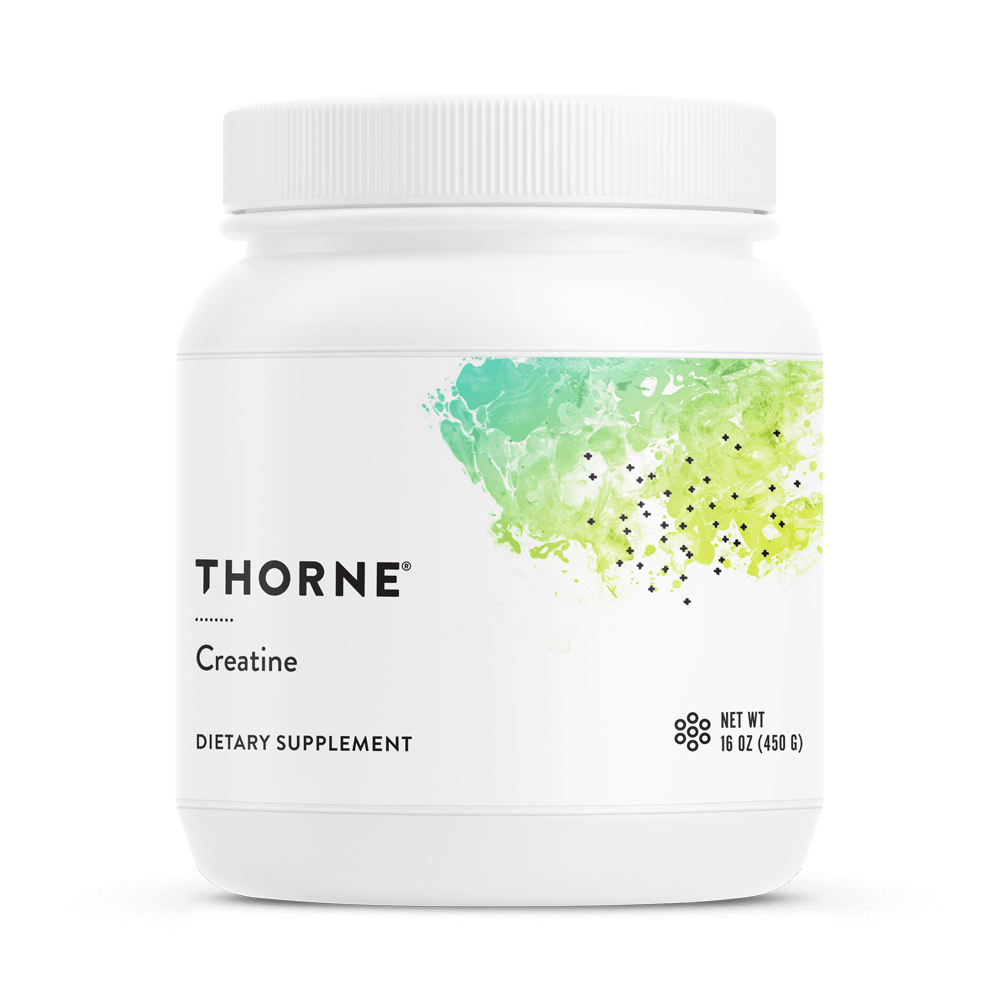
Representative product image
Made with Creapure-sourced creatine monohydrate, widely considered the highest purity standard in the industry, and NSF Certified for Sport. This is the option we would recommend to most people, including anyone subject to drug testing.
What we like: Creapure sourcing, NSF Certified for Sport, unflavored and easy to mix into anything.
Best value: Nutricost Creatine Monohydrate

Representative product image
A straightforward, micronized creatine monohydrate powder at a meaningfully lower cost per serving than premium brands, without sacrificing the fundamentals of quality and mixability.
What we like: Micronized for better mixing, large container size, excellent price per serving.
Best for women specifically: Momentous Creatine
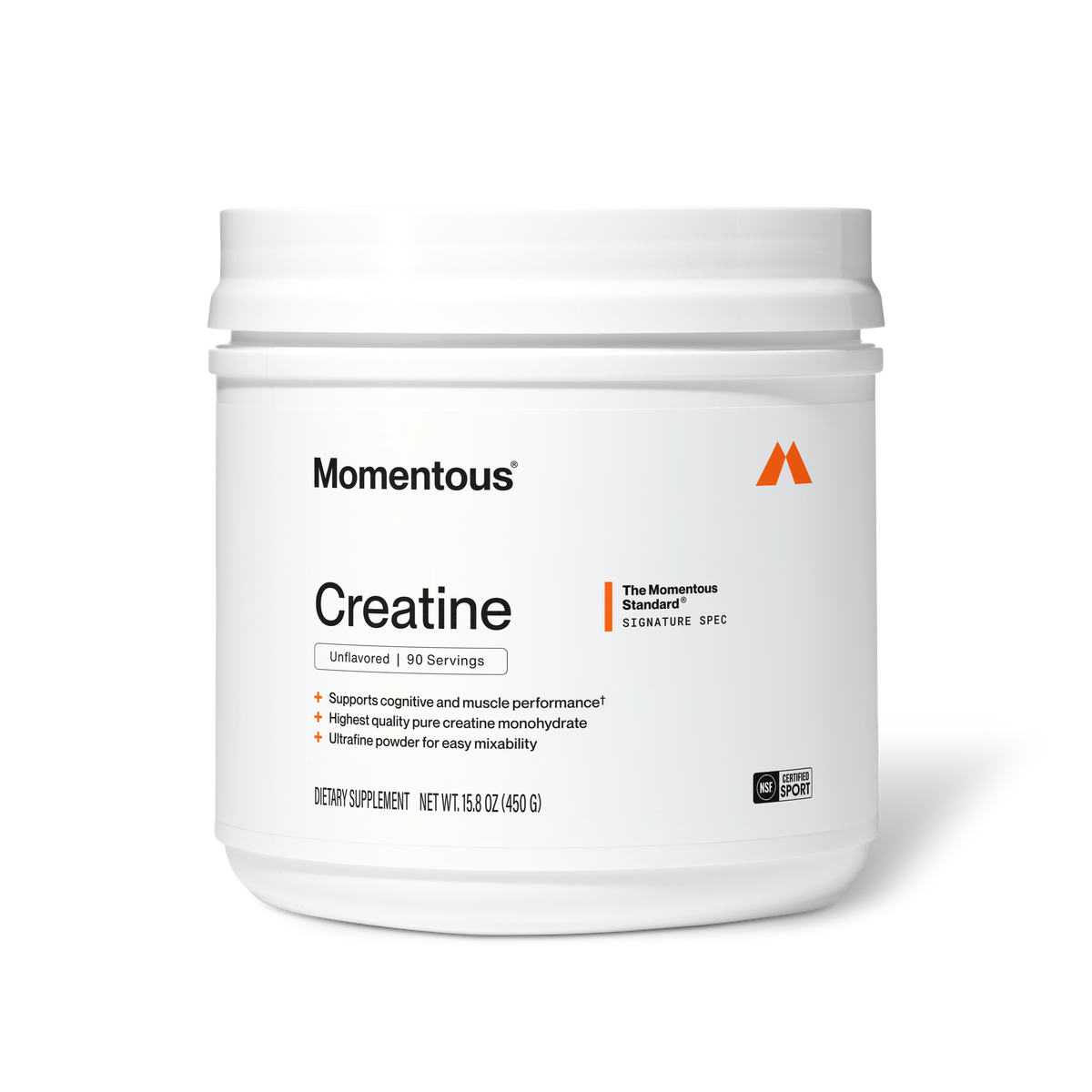
Representative product image
Momentous uses Creapure creatine and is NSF Certified, with marketing and education specifically built around women’s use cases: bone health, cognitive function, and training recovery.
What we like: Creapure sourced, NSF certified, women-focused educational content and dosing guidance.
Best clean and organic option: Garden of Life Sport Organic Creatine
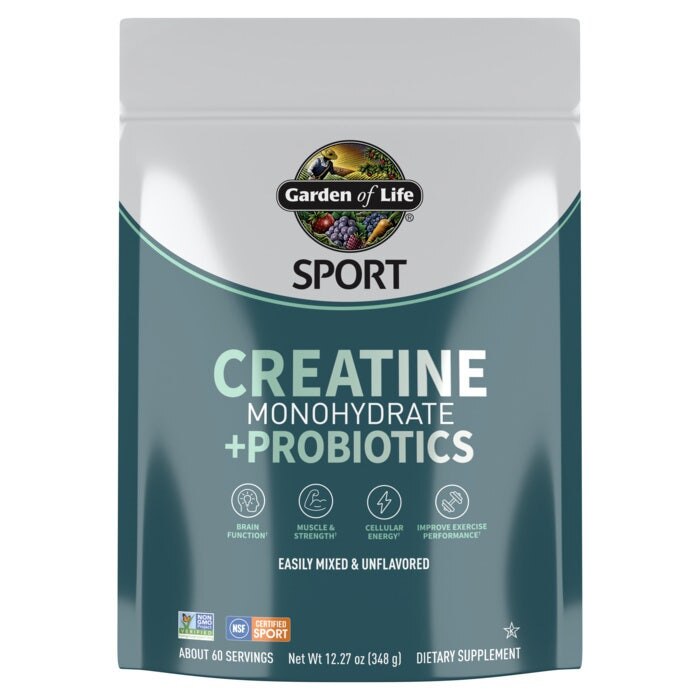
Representative product image
A certified organic creatine monohydrate that is also Informed Sport certified, appealing to buyers who want both purity and a clean-label formulation without compromising on third-party verification.
What we like: Certified organic, Informed Sport certified, appeals to plant-based and clean-label buyers.
The bottom line
Creatine is not a men’s supplement that women are now allowed to take, it is one of the most well-researched supplements in existence, and the benefits for women specifically, bone health, cognitive support, strength, and mood, are becoming increasingly well documented. Three to five grams a day, consistently, with a form that is third-party tested. That is really the whole protocol.
This article is for informational purposes and is not medical advice. Talk to your doctor before starting any new supplement, particularly if you have kidney concerns or are pregnant or breastfeeding.