
By PureForm Editorial · Last reviewed · Sources
Creatine is one of the most researched sports supplements, with hundreds of published studies and a long safety record in healthy adults. It is also one of the most misunderstood. This guide covers what the science shows, which form to buy, and which brands offer independent testing.
| Pick | Best For | |
|---|---|---|
| Thorne Creatine | Overall pick | Check Price → |
| NOW Sports Creatine Monohydrate | Best value | Check Price → |
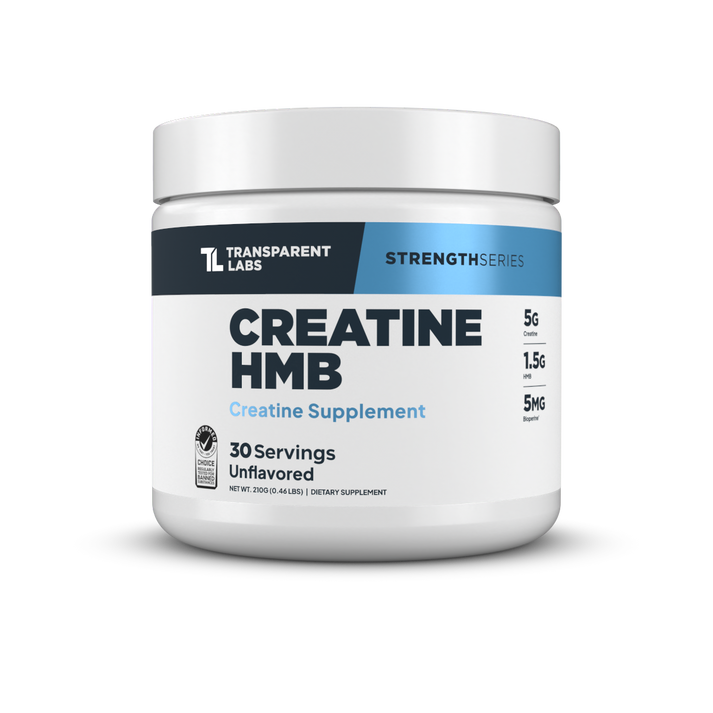
| Transparent Labs Creatine HMB | Best for athletes | Check Price → |
What creatine does
Creatine is stored in muscle tissue as phosphocreatine and used to regenerate ATP — the primary energy currency your cells use for short, high-intensity efforts. More phosphocreatine means you can sustain maximum effort for slightly longer before fatiguing.
In practice, that can mean a little more work in each training session: an extra rep or a slightly faster sprint. Over weeks of training, the extra volume can add up to greater gains in strength and lean mass, an effect shown in many meta-analyses of resistance training in both younger and older adults. Early research also suggests possible cognitive benefits, especially during sleep deprivation, but that evidence is still preliminary.
Why monohydrate is the form to buy
Many creatine variants exist: ethyl ester, hydrochloride, buffered, nitrate, Kre-Alkalyn. In the studies that compared them, none outperformed creatine monohydrate, and some, such as creatine ethyl ester, did worse. They usually cost more and are marketed with claims that research has not confirmed.
Creatine monohydrate has about 30 years of research behind it, costs less per gram than the alternatives, and is the form used in most clinical trials. The International Society of Sports Nutrition considers it the most effective form for raising muscle creatine levels. There is no evidence-based reason to pay more for anything else.
Related reading: Wondering whether creatine is for you? See Creatine for Women. For a protein option alongside it, see our protein powder guide.
Loading is optional
The traditional loading protocol involves taking 20g daily for 5 days, then dropping to 3-5g maintenance. This saturates muscle creatine stores faster. Taking 3-5g daily without loading achieves the same saturation in 3-4 weeks. Unless you need rapid results for a specific competition, the loading phase is not necessary and may cause digestive discomfort in some people.
Our top picks
Best overall: Thorne Creatine
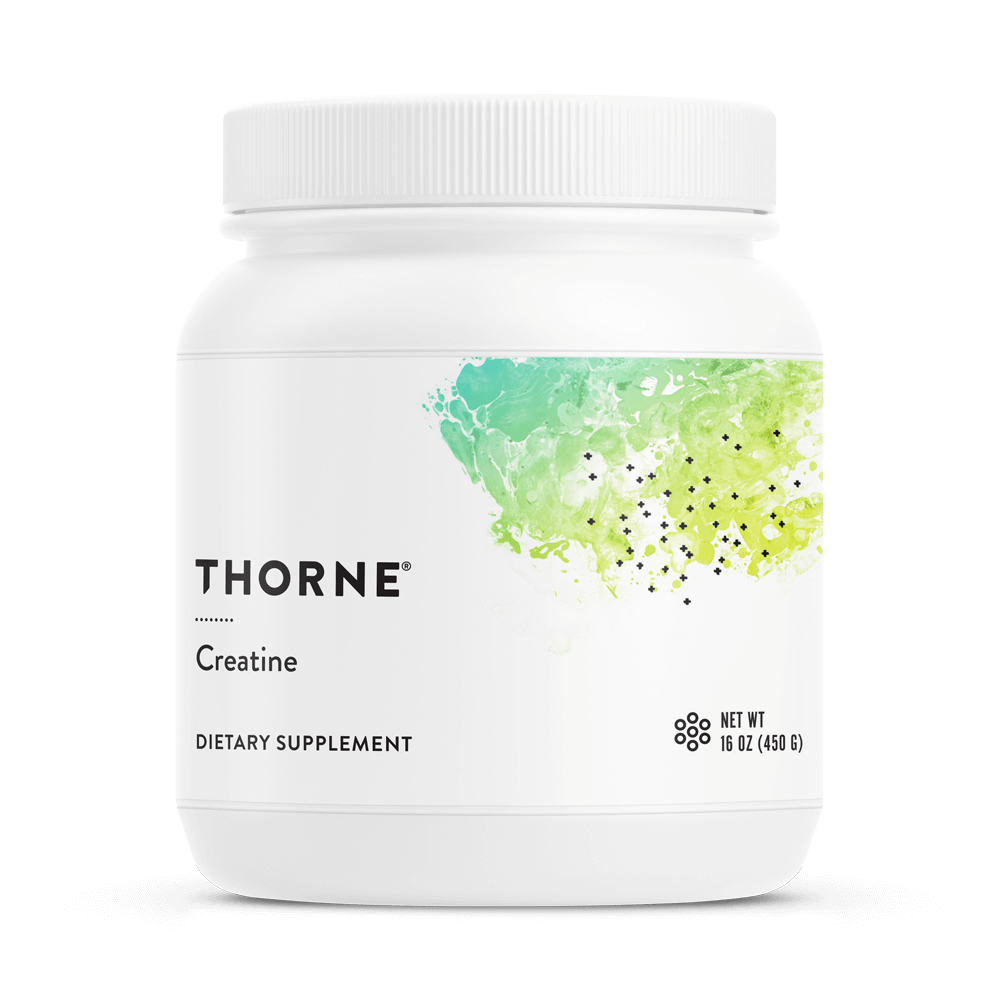
Representative product image
Thorne uses Creapure, a German-manufactured creatine monohydrate, and states that the product is NSF Certified for Sport. It is a single-ingredient, unflavored powder that mixes cleanly. We recommend it first for anyone who wants independent testing, including athletes who are drug tested.
What we like: Single-ingredient Creapure monohydrate, NSF Certified for Sport, unflavored and mixes cleanly.
Best value: NOW Sports Creatine Monohydrate
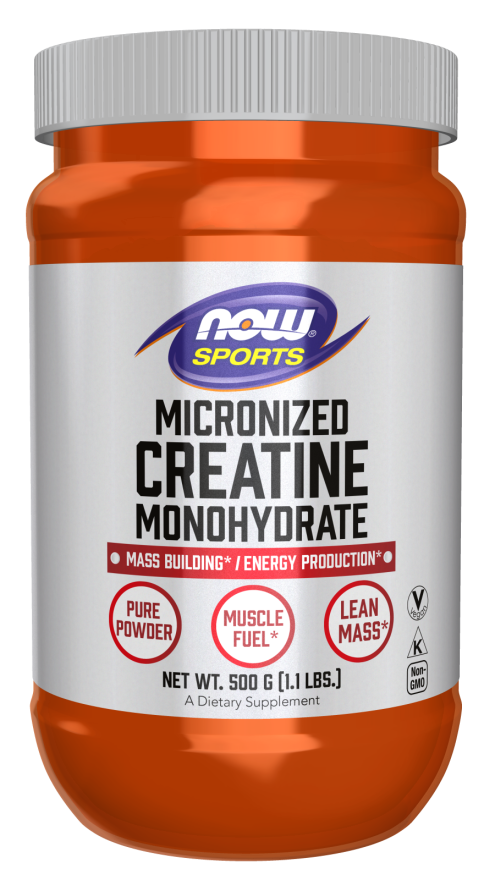
Representative product image
NOW sells plain creatine monohydrate powder at a much lower price than premium brands, and NOW holds Intertek GMP certification. Because creatine monohydrate is a simple, well-studied ingredient, a lower price does not mean a weaker product, which makes this a good value choice for most people.
What we like: Plain creatine monohydrate, Intertek GMP certified, priced well below premium brands.
Best for athletes: Transparent Labs Creatine HMB
Representative product image
Transparent Labs combines Creapure creatine monohydrate with HMB, a compound made from the amino acid leucine. The evidence for HMB is weaker and more mixed than the evidence for creatine, so the creatine does most of the work here and the HMB is an optional extra. The company states that the product is third-party tested and lists every ingredient and amount, with no proprietary blends.
What we like: Creapure creatine plus HMB, third-party tested with full label transparency.
How to take it
3-5g daily, any time of day, mixed with water or any beverage. Consistency matters more than timing. Contrary to popular belief, cycling off creatine is not necessary — the evidence does not support this practice.
Sources
- Kreider RB et al. (2017). International Society of Sports Nutrition position stand: safety and efficacy of creatine supplementation in exercise, sport, and medicine. Journal of the International Society of Sports Nutrition. PubMed
- Antonio J et al. (2021). Common questions and misconceptions about creatine supplementation: what does the scientific evidence really show?. Journal of the International Society of Sports Nutrition. PubMed
- NIH Office of Dietary Supplements. Dietary Supplements for Exercise and Athletic Performance: Fact Sheet for Health Professionals. View source
We link to the original studies and official fact sheets behind this article. Read how we evaluate research in our Editorial Standards.