
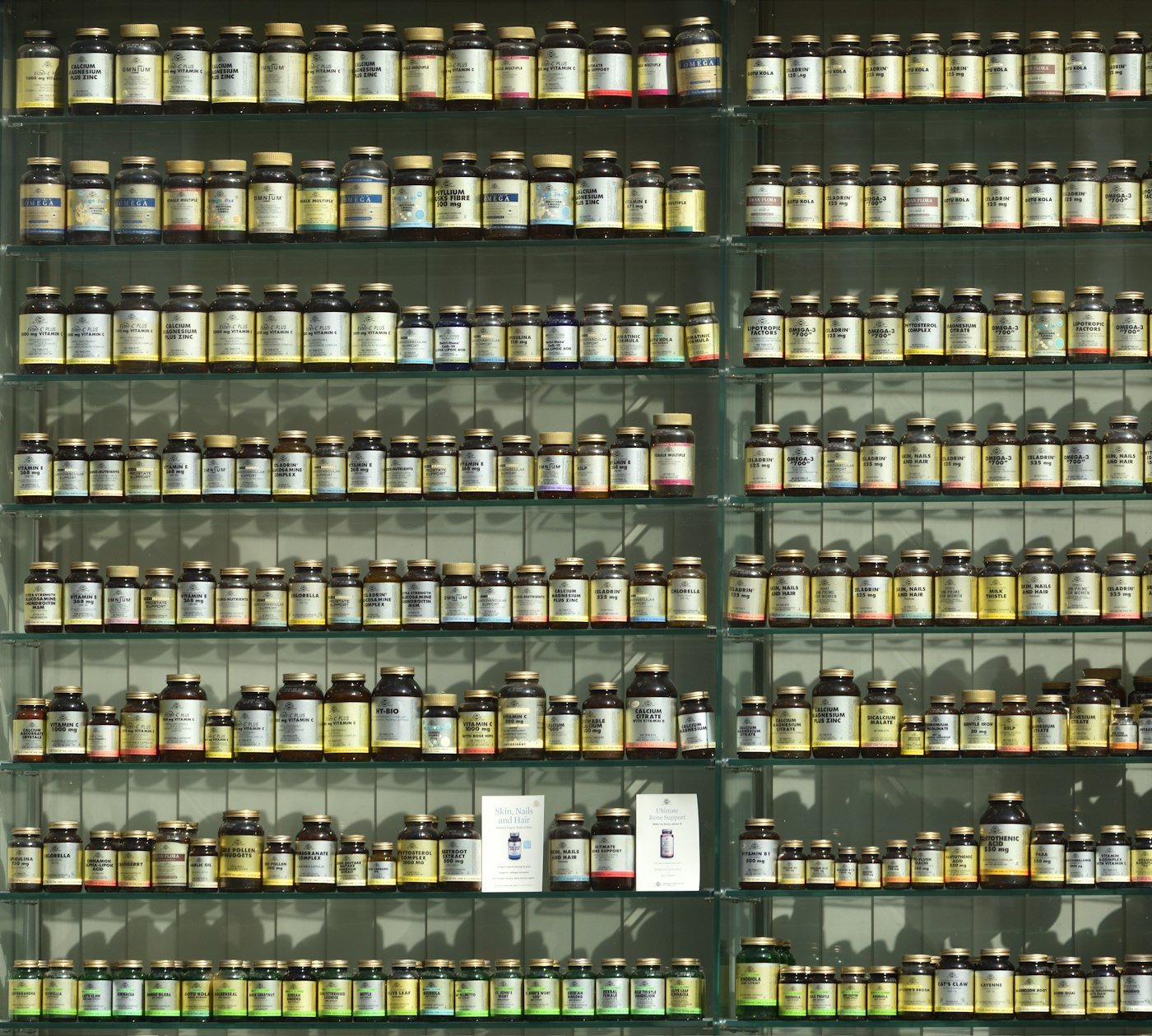
The supplement industry is largely self-regulated. Unlike pharmaceuticals, supplements do not need FDA approval before going to market. This creates a wide range in product quality. Knowing how to read a label is the single most useful skill for navigating the supplement aisle.
The supplement facts panel: what to look for
Every supplement label has a Supplement Facts panel — the box that lists ingredients, amounts, and percent daily values. Serving size comes first. Everything else in the panel is per serving, not per pill. A product might have two capsules per serving, which doubles the actual cost per day. Always calculate cost per serving, not per container.
Elemental amounts matter. A label saying 500mg magnesium glycinate is not 500mg of elemental magnesium — the glycinate portion is part of that weight. Look for the elemental amount listed in parentheses after the compound name.
Other ingredients are listed below the main panel. This is where you find fillers, binders, and allergens. Common benign ones: rice flour, cellulose, silica. Ones worth watching: artificial colors, titanium dioxide, and hydrogenated oils.
The two words that hide the most
Proprietary blend. When you see these words, the manufacturer can list ingredients in the blend without disclosing individual amounts — only the total weight is required. This makes it impossible to verify whether any ingredient is at a useful dose. Many pre-workouts and fat burner supplements use them. Avoid proprietary blends unless individual doses are fully disclosed.
Certifications: what they actually mean
NSF Certified for Sport means an independent lab has verified the product contains what the label says and does not contain banned substances. USP Verified means the product meets standards for ingredient identity, purity, and potency. Informed Sport provides batch testing for banned substances. Labdoor independently purchases and tests supplements and posts scores publicly. A product without any certification is not necessarily bad — but it has no independent verification.
Red flags
Any claim that a supplement treats, cures, or prevents a disease is illegal under FDA rules. An ingredient list with 30-plus items almost always means no individual ingredient is at a meaningful dose. Extremely low prices for supplements that should be expensive to manufacture usually signal quality issues.
Affiliate disclosure: this article contains affiliate links. We may earn a small commission if you purchase through them at no extra cost to you.
Medical disclaimer: for informational purposes only. Consult a licensed healthcare provider before starting any supplement.