
By PureForm Editorial · Last reviewed · Sources
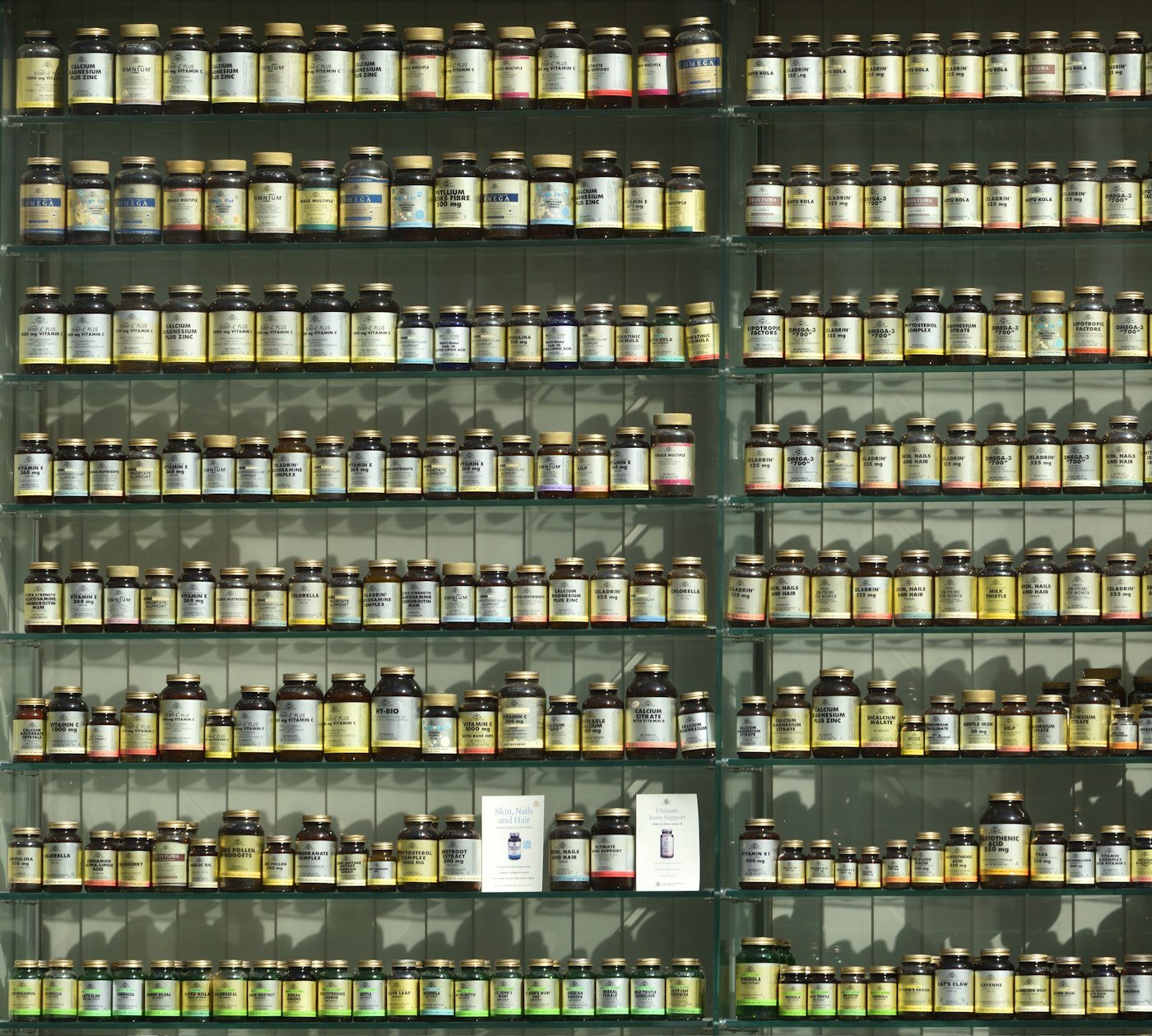
In the United States, dietary supplements are regulated differently from medications. The FDA does not approve supplements for safety or effectiveness before they are sold. Manufacturers are responsible for making sure their products are safe and accurately labeled, and the FDA usually steps in only after a problem appears. That leaves a wide range in quality, which is why reading a label carefully is one of the most useful habits you can build.
The supplement facts panel: what to look for
Every supplement label has a Supplement Facts panel — the box that lists ingredients, amounts, and percent daily values. Serving size comes first. Everything else in the panel is per serving, not per pill. A product might have two capsules per serving, which doubles the actual cost per day. Always calculate cost per serving, not per container.
Elemental amounts matter. A label that says 500mg magnesium glycinate is not 500mg of elemental magnesium, because part of that weight is the glycine the magnesium is bound to. Look for the elemental amount, which is usually listed in parentheses after the compound name.
Other ingredients are listed below the main panel. This is where you find fillers, binders, and allergens. Common benign ones: rice flour, cellulose, silica. Ones worth watching: artificial colors, titanium dioxide, and hydrogenated oils.
The two words that hide the most
Proprietary blend. When you see these words, the manufacturer can list the ingredients in the blend without disclosing individual amounts; only the total weight is required. That makes it impossible to check whether any single ingredient is present at a dose that research supports. Many pre-workout and fat burner products use them. Be cautious with proprietary blends unless the individual doses are fully disclosed.
Certifications: what they actually mean
NSF Certified for Sport means an independent lab has verified the product contains what the label says and does not contain banned substances. USP Verified means the product meets standards for ingredient identity, purity, and potency. Informed Sport provides batch testing for banned substances. Labdoor independently purchases and tests supplements and posts scores publicly. A product without any certification is not necessarily bad — but it has no independent verification.
Red flags
Supplements are not allowed to claim that they treat, cure, or prevent a disease; under FDA rules they can only make general structure and function claims, such as supporting immune health, and those claims must carry a disclaimer. A product that makes disease claims is a red flag. A very long ingredient list, say 30 or more items, often means no single ingredient is present at a meaningful dose. Prices far below the norm for ingredients that are expensive to produce can also signal quality problems.
Sources
- US Food and Drug Administration. Dietary Supplements. View source
- US Food and Drug Administration. Dietary Supplement Labeling Guide. View source
- NIH Office of Dietary Supplements. Dietary Supplements: What You Need to Know. View source
- NSF. Certified for Sport program. View source
We link to the original studies and official fact sheets behind this article. Read how we evaluate research in our Editorial Standards.