

Quick answer: Most healthy people don’t need a full shower every day. Harvard Health says a few times a week is plenty for many people, unless you’re sweaty or grimy. What matters daily is washing your underarms, groin and feet. Shower after workouts or dirty work, and keep showers short and warm.
Daily showers feel like a rule. But they are more of a habit than a health need. Harvard Health notes that about two-thirds of Americans shower daily, yet most people’s skin doesn’t need it.
Here’s what science says about how often to shower, the hygiene myths worth dropping, and how to stay fresh in between.
Our quick picks
| Pick | Best For | |
|---|---|---|
| Vanicream Gentle Body Wash | Gentle daily wash for dry or sensitive skin | Check Price → |
| Lume Deodorant Wipes | Freshen up between showers | Check Price → |
| Native Whole Body Deodorant | All-day odor control | Check Price → |
| CeraVe Moisturizing Cream | Repairs dry, over-washed skin | Check Price → |
So how often should you shower?
For most healthy adults, a few showers a week is enough, according to Harvard Health. That’s assuming you aren’t grimy or sweaty. A short, focused shower of a few minutes, aimed at the underarms and groin, may be all you need.
That doesn’t mean skipping hygiene. It means washing smart:
- Every day: wash your face, underarms, groin and feet. Wash your hands often.
- After sweating or dirty work: shower.
- Otherwise: a full shower every day is a personal choice, not a must.

Why some areas need washing every day
Your body has two main kinds of sweat glands. Eccrine glands cover most of your skin and release mostly water and salt, which has little smell. Apocrine glands sit mainly in the underarms and groin. Their sweat contains proteins and fats that skin bacteria break down, and that process creates body odor.
Feet also sweat heavily and stay trapped in shoes, which lets bacteria thrive. That is why the underarms, groin and feet need daily washing, while your arms, legs and back usually do not.
Can you shower too much?
Yes. Your skin has a protective layer of oils and helpful bacteria. Washing too often, especially with hot water and harsh soap, can strip that layer away. The result can be dry, itchy or cracked skin.
If you love a daily shower, that’s fine. Keep it short, use warm water, and moisturize after.
Vanicream Gentle Body Wash
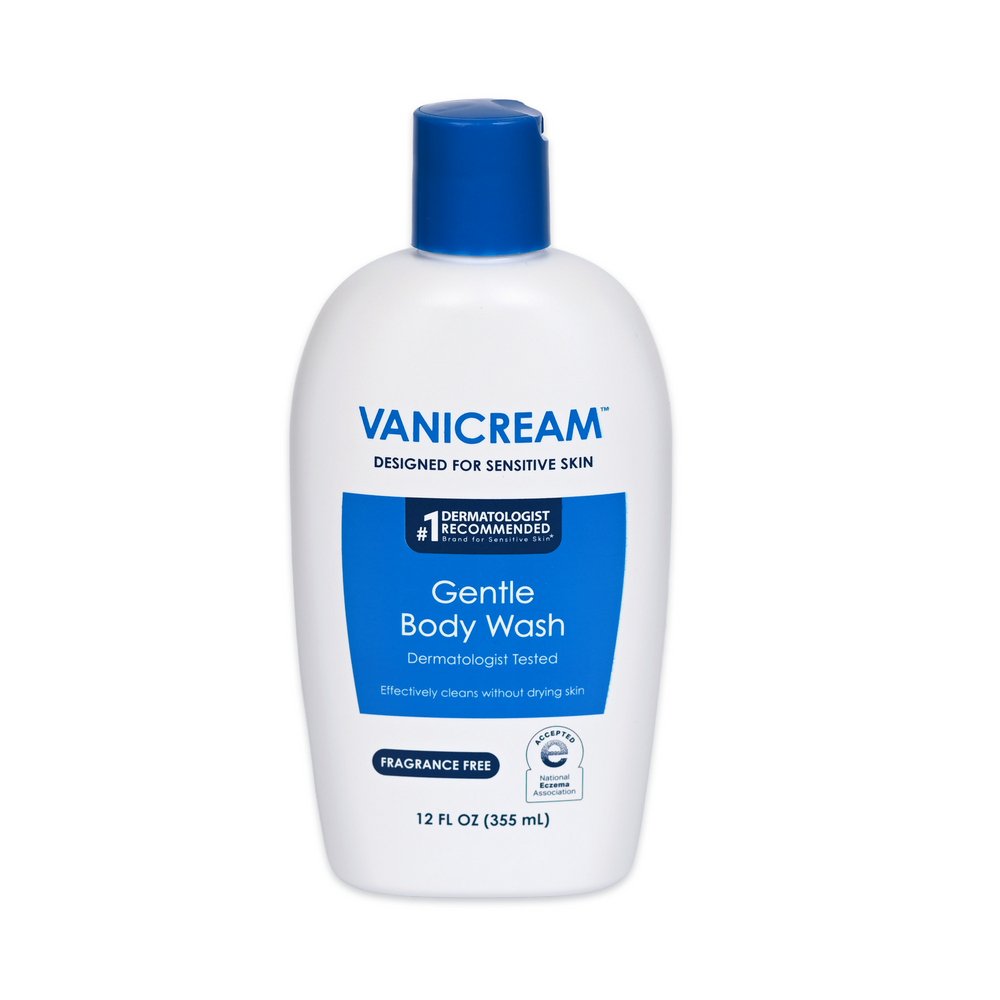
If you shower often, a gentle cleanser matters even more. Vanicream skips fragrance, dyes and common irritants, so it cleans without stripping skin.
What we like: Free of common irritants, mild lather, and a favorite for sensitive skin.
CeraVe Moisturizing Cream
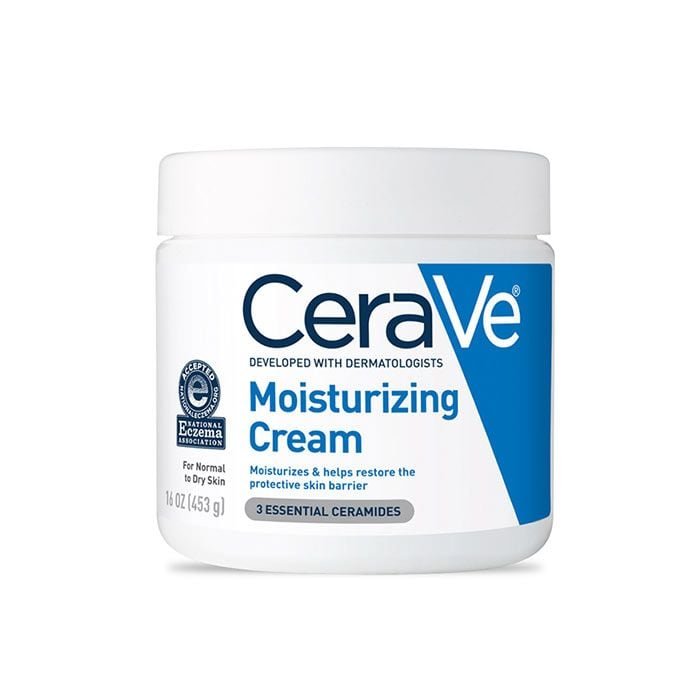
Frequent hot showers can leave skin dry and itchy. A ceramide cream after your shower helps restore the skin barrier and hold in moisture.
What we like: Fragrance-free, rich but not greasy, and good value in a big tub.
How often should you shower? A guide by lifestyle
| Your situation | Suggested shower frequency | Daily must-dos |
|---|---|---|
| Desk job, cool climate | Every 1 to 2 days, or a few times a week | Wash key areas; fresh underwear and socks |
| Regular workouts | After each workout | Shower soon after sweating |
| Hot, humid climate | Daily is reasonable | Short, warm showers; light moisturizer |
| Physical or dirty work | Daily, after work | Wash off dirt and chemicals the same day |
| Dry or flare-prone skin | Once a day at most, kept short | Moisturize within minutes |
| Older adults with dry skin | Often less than daily | Gentle wash; moisturize well |
These are general guides, not rules. If you feel or smell unclean, shower. If your skin feels dry and itchy, shower a little less or more briefly.
Signs you are washing too much, or too little
You may be overwashing if:
- Your skin feels tight or itchy right after showering.
- You see flaking, rough patches or cracks, especially on shins and hands.
- Your skin turns red after hot showers.
- Eczema or keratosis pilaris flares more often.
You may need to wash more if:
- You notice body odor before the end of the day.
- You get breakouts on your back or chest after sweating.
- You see dark, rough patches of buildup on the skin that wipe off with soap.
- Your feet smell or you get itchy rashes between your toes.
Love a daily shower? Make it skin-friendly
Showering every day is a habit for most people, and Harvard Health notes it is even more common in some countries, with over 80% of Australians showering daily. If a daily shower helps you wake up or wind down, keep it. Just make it gentle:
- Keep it to 5 to 10 minutes in warm, not hot, water.
- Use soap only where you need it: underarms, groin and feet.
- Choose a mild, fragrance-free wash if your skin tends to be dry.
- Pat dry instead of rubbing.
- Moisturize within a few minutes while skin is still damp.
Done this way, a daily shower is fine for most skin.
5 shower myths to drop
Myth 1: You need to shower every day to be clean
Not for most people. Washing key areas daily keeps odor down. A full shower every day is more about habit and comfort.
Myth 2: Hotter water cleans better
Hot water feels good but strips your skin’s natural oils. Dermatologists recommend warm water and 5 to 10 minutes.
Myth 3: Antibacterial soap is cleaner
In 2016, the FDA said makers of consumer antibacterial washes had not shown they work better than plain soap and water. It removed common antibacterial ingredients from these products. Harvard Health adds that antibacterial soaps can disrupt the normal bacteria on skin.
Myth 4: Lather, rinse, repeat
That line was a marketing idea, says Harvard Health. One wash is enough for skin and, for most people, hair.
Myth 5: Body odor means you didn’t shower enough
Odor comes from bacteria breaking down sweat in a few key spots. Washing those areas and using deodorant controls it, even on non-shower days.
How often should you wash your hair?
Hair and scalp follow different rules than skin. The American Academy of Dermatology (AAD) says to wash based on how oily your scalp gets:
- Oily scalp, straight hair: daily washing may help.
- Dry, textured, curly or thick hair: wash when needed, which may be once a week or even every 2 to 3 weeks.
- Flakes? They can be a sign you are not washing often enough, or need a better conditioner or scalp moisturizer.
You can rinse your body in the shower without washing your hair every time. A shower cap makes it easy.
Hygiene beyond the shower
Clean skin is only part of staying fresh. These habits matter just as much:
- Workout clothes: wash them after every use, as the AAD advises for anyone prone to body acne.
- Underwear and socks: change daily.
- Towels: hang them to dry fully between uses and wash them regularly. Damp towels grow bacteria and start to smell.
- Sheets: many people wash them weekly, more often if you sweat at night.
- Razors: let them dry outside the shower and replace blades after 5 to 7 shaves (AAD).
What about kids and older adults?
Children often need fewer baths than adults. The AAD says kids aged 6 to 11 need a bath at least once or twice a week, and more often if they get dirty, sweaty or swim.
Older adults tend to have drier, thinner skin, so long daily showers can leave them itchy. Shorter showers, a gentle cleanser and a good moisturizer usually help.
How to stay fresh between showers
On days you skip the full shower, a quick routine keeps you feeling clean:
- Wash your face, underarms and groin at the sink, or use a wipe.
- Change into clean underwear and socks.
- Apply deodorant to clean, dry skin.
Lume Soft Powder Deodorant Wipes

Skipping a shower doesn’t mean skipping freshness. Lume’s wipes are made for underarms and other areas where odor builds, so you can freshen up after the gym, on a trip or on a busy day.
What we like: Individually wrapped for your bag, made for whole-body use, and a soft, clean scent.
Worth knowing: Wipes are a quick fix, not a replacement for regular washing.
Native Whole Body Deodorant Stick
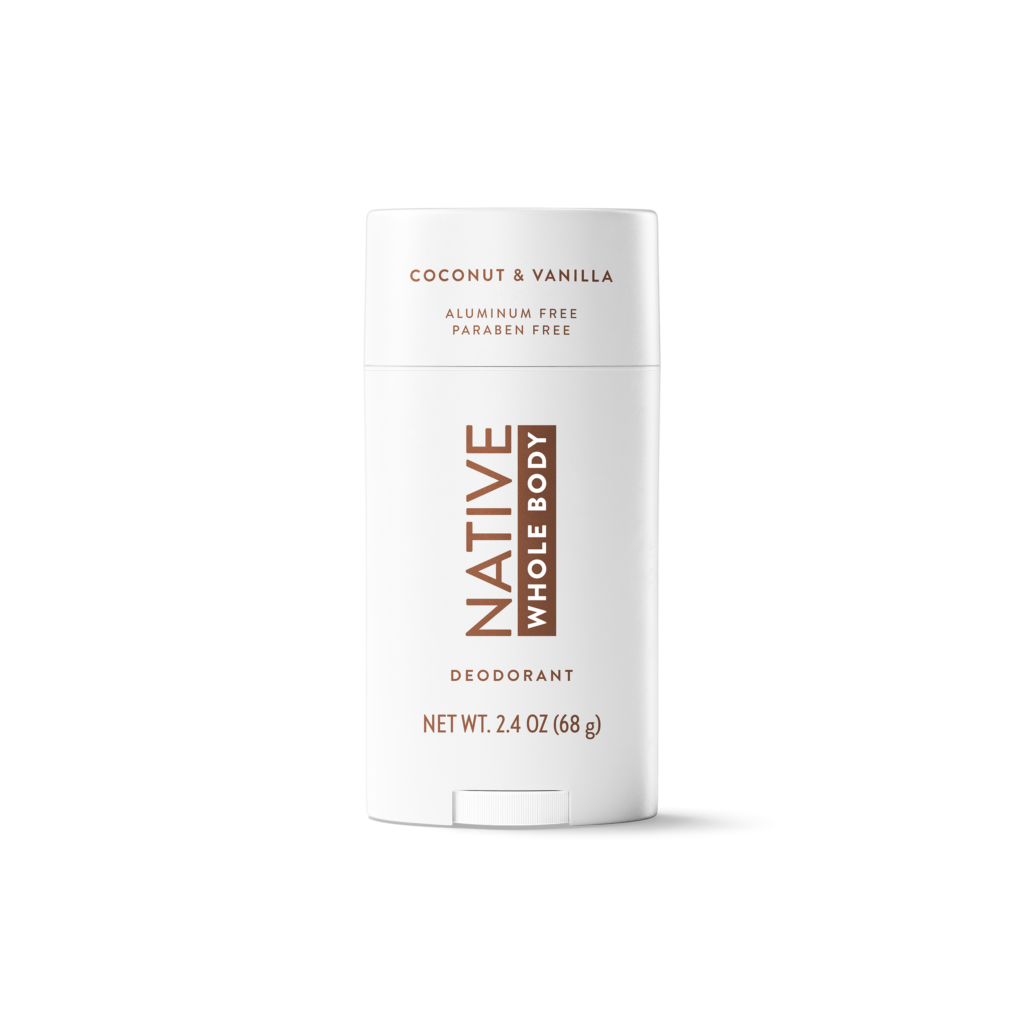
Body odor comes from bacteria breaking down sweat. A whole-body deodorant helps keep odor down on the days you don’t shower.
What we like: Aluminum-free, made for more than underarms, and easy to apply.
PureForm Ingredient Check
Shower more often if…
You exercise or sweat a lot: Rinse off soon after so sweat and bacteria don’t build up.
Your work is dirty or physical: Wash off dirt, chemicals or grime the same day.
You’ve been in a pool or the ocean: Rinse off chlorine or salt water.
You notice odor or itching: A quick wash of key areas usually fixes it.
Best odor control for low-shower days
The less often you shower, the more your deodorant has to do. Whole-body deodorants are made for underarms and other areas where odor builds, which makes them a good fit for skip days.
Lume Whole Body Deodorant
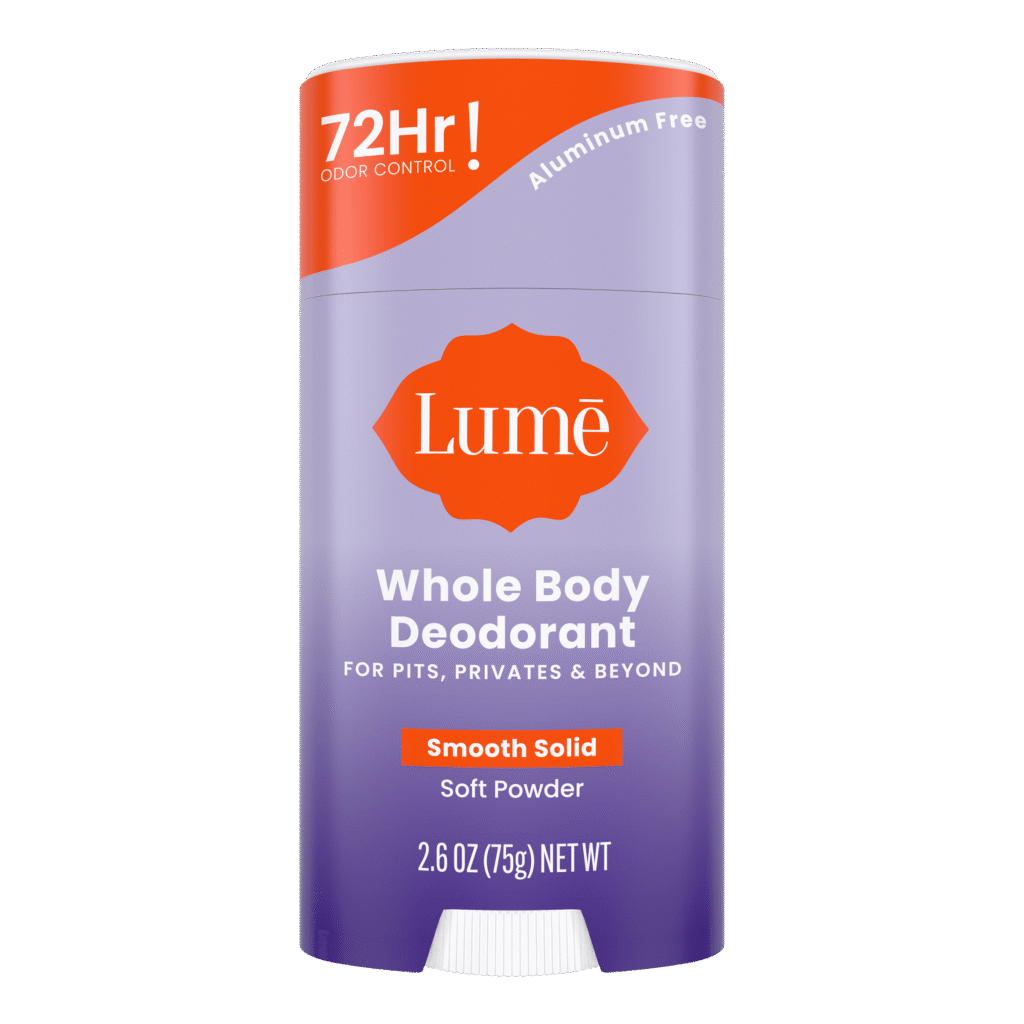
Lume was one of the first brands built around whole-body odor control. The brand says its formula controls odor for up to 72 hours. It is aluminum-free and comes in cream, stick and wipe formats, so you can match it to your routine.
What we like: Made for underarms, feet and other external areas; aluminum-free; and a long-lasting claim that suits skip days.
Worth knowing: It is a deodorant, so it controls odor rather than sweat. Use it on external skin only, and skip broken skin.
FAQ
Is it unhygienic not to shower every day?
No, as long as you wash key areas daily and shower after sweating. Many dermatologists say a few showers a week is fine for healthy skin.
Should I shower in the morning or at night?
Either is fine. Night showers rinse off the day’s sweat and sunscreen. Morning showers help you wake up.
How often should I wash my hair?
It depends on your hair type. Oily hair may need washing daily, while dry or curly hair often does better with washing a few times a week.
Do kids need a bath every day?
Usually not. The AAD says children aged 6 to 11 need a bath at least once or twice a week, and more often if they get dirty, sweaty or swim.
Why does my skin itch after showering?
Hot water and harsh soaps can dry your skin. Try shorter, cooler showers, a gentle wash, and moisturizer right after.
Is it bad to shower twice a day?
Not if your skin feels fine. Keep both showers short and warm, use body wash only on key areas the second time, and moisturize after.
Should I shower after the gym?
Yes. Showering soon after sweating helps prevent odor and body acne, the AAD says. If you can not, use an oil-free wipe and change clothes.
Does skipping showers cause acne?
Sitting in sweat can trigger body acne. Rinsing off after sweating matters more than showering on a strict daily schedule.
Do I need to shower after swimming?
Yes, a quick rinse helps remove chlorine or salt water, which can dry your skin. Moisturize afterward.
Is it OK to just rinse with water?
For most of your body, yes. Use a gentle cleanser on your underarms, groin and feet.
The bottom line
You don’t need a full shower every day to be clean. Wash the areas that sweat daily, shower after workouts or dirty work, and keep showers short and warm. Your skin will thank you.
Affiliate disclosure: this article contains affiliate links. We may earn a small commission if you buy through them, at no extra cost to you. This does not change our recommendations.
This article is for informational purposes only and is not medical advice.
References
- Shmerling RH. “Showering daily: is it necessary?” Harvard Health Publishing.
- U.S. Food and Drug Administration (2016). FDA issues final rule on safety and effectiveness of antibacterial soaps.
- American Academy of Dermatology. “Dermatologists’ top tips for relieving dry skin.”
- American Academy of Dermatology. “Do kids need a daily bath?”
- American Academy of Dermatology. “Tips for healthy hair.”
- American Academy of Dermatology. “How to get rid of back acne.”
- American Academy of Dermatology. “How to shave.”