
Zinc deficiency is more common than most people assume, but zinc supplementation is also easy to get wrong. Take too little of a poorly absorbed form and it does nothing. Take too much for too long and you risk a copper deficiency of your own making. Here is what the evidence actually supports.
| Pick | Best For | |
|---|---|---|
| Thorne Zinc Picolinate | Overall pick | Check Price |
| NOW Foods Zinc Picolinate | Best value | Check Price |
| Pure Encapsulations Zinc 30 | Best hypoallergenic | Check Price |
What zinc actually does
Zinc is an essential trace mineral involved in immune function, wound healing, DNA synthesis, and taste and smell perception. It also plays a role in testosterone production and reproductive health. Unlike calcium, there is no dedicated long-term zinc storage system in the body, so a steady intake matters more than most people realize.
Why the form matters
Zinc oxide is the cheapest and most common form in multivitamins, and also the worst absorbed. Zinc picolinate, citrate, and bisglycinate are all chelated forms with meaningfully better absorption and less risk of stomach upset. Zinc picolinate in particular has research suggesting an absorption advantage over both zinc oxide and zinc gluconate.
Dose, and the copper tradeoff
The RDA for zinc is 8mg for women and 11mg for men. The tolerable upper intake level for adults is 40mg per day. Zinc and copper compete for absorption, so taking high doses of zinc for extended periods without adequate copper intake can create a secondary copper deficiency, which carries its own risks including anemia and nerve problems. Most people supplementing for general health should stay in the 15 to 30mg range, and anyone taking zinc long-term at the higher end of that range should consider a small amount of copper alongside it or talk to a doctor.
Our top picks
Best overall: Thorne Zinc Picolinate

Representative product image
Thorne uses a chelated picolinate form for better absorption, is NSF Certified for Sport, and keeps the ingredient list free of unnecessary fillers. A reliable first choice for most people.
What we like: NSF third-party tested, well-absorbed picolinate form, no unnecessary additives.
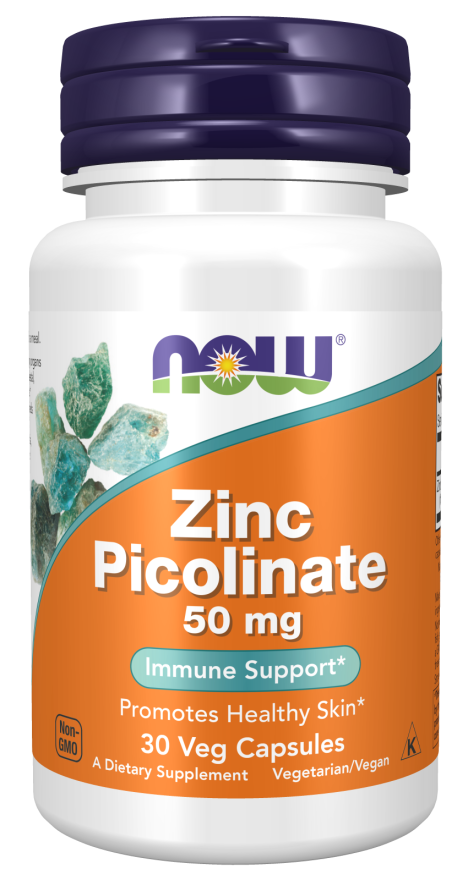
Best value: NOW Foods Zinc Picolinate
Representative product image
NOW Foods offers the same well-absorbed picolinate form at a meaningfully lower price point. GMP certified with a long manufacturing track record.
What we like: Picolinate form, GMP certified, budget-friendly.
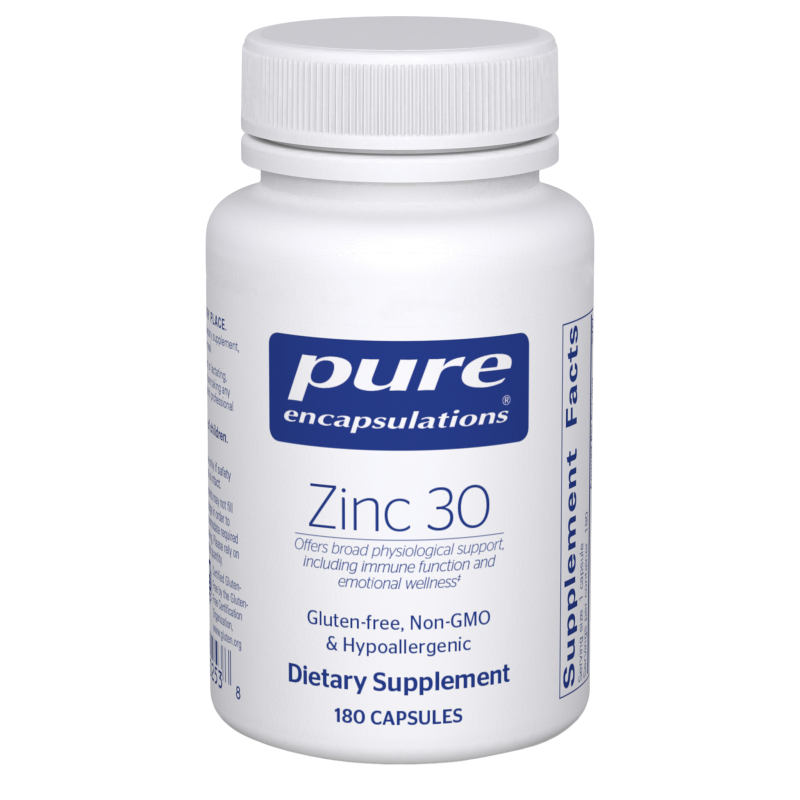
Best hypoallergenic: Pure Encapsulations Zinc 30
Representative product image
Formulated without common allergens or unnecessary binders, making it a solid option for anyone with sensitivities. Provides 30mg per capsule, within the range most research supports for general supplementation.
What we like: Hypoallergenic formulation, minimal ingredient list, precise dosing.
How to take it
Take zinc with food to reduce the risk of nausea. Avoid taking it at the same time as high-dose calcium or iron supplements, since they compete for absorption — space them a few hours apart if you take more than one. If you plan to supplement long-term at 15mg or above, consider a formula that includes a small amount of copper.
Zinc is inexpensive, well studied, and easy to get right once you know what to look for: a chelated form, a reasonable dose, and awareness of the copper tradeoff if you are taking it long-term.
Affiliate disclosure: this article contains affiliate links. We may earn a small commission if you purchase through them at no extra cost to you.
Medical disclaimer: this article is for informational purposes only and is not a substitute for professional medical advice. Consult a licensed healthcare provider before starting any supplement, particularly at doses above the RDA.