
Most sleep supplements on the market are either underdosed to the point of doing nothing, or dosed so high they are more likely to cause grogginess than help you rest. Melatonin is the clearest example of this: many products contain five to ten times more than what the evidence actually supports. A few popular sleep aids go further than that, they are ingredients that sleep physicians have specifically reviewed and advised against for ongoing insomnia, despite how common they are on store shelves. Here is what the research actually says works, what does not, and at what dose.
| Pick | Best For | |
|---|---|---|
| Thorne Magnesium Bisglycinate | Overall pick | Check Price → |
| Natrol Melatonin 1mg | Best melatonin | Check Price → |
| Jarrow KSM-66 Ashwagandha | Best ashwagandha | Check Price → |
| NOW L-Theanine | Best value stack option | Check Price → |
What sleep medicine actually recommends, and what it does not
Before getting into individual ingredients, it helps to know that the American Academy of Sleep Medicine, the professional body that writes clinical guidelines for sleep disorders, has already reviewed the evidence on several popular over-the-counter sleep aids. Their clinical guideline gives a weak recommendation against using melatonin, tryptophan, or valerian for chronic insomnia, not because these ingredients are dangerous, but because in controlled trials they did not reliably outperform placebo for that specific use.
That is not the same as saying these ingredients are useless for everyone. It means they are not reliable treatments for ongoing, diagnosed insomnia. Melatonin in particular still has a real, narrower job, which we get into below. But it is a useful filter to keep in mind: when a product’s marketing promises more than the clinical guidelines support, that gap is worth noticing.
Honestly, Supplements are secondary
Before any supplement recommendation: consistent sleep and wake times, limiting screens before bed, and a dark, cool room will do more for your sleep than any pill. If trouble sleeping has gone on for more than a few weeks, cognitive behavioral therapy for insomnia, known as CBT-I, has the strongest evidence of any intervention, supplement or prescription, and is the first recommendation in most clinical guidelines. Supplements can help at the margins, particularly during stressful periods or occasional disruption, but they are not a substitute for the basics or for an actual diagnosis. With that said, here is what the evidence supports when you do want additional help.
Magnesium glycinate: the most evidence-backed option
Magnesium plays a role in regulating neurotransmitters involved in sleep, and glycinate specifically pairs magnesium with glycine, an amino acid that has its own calming, sleep-supportive properties, studied on its own at a 3 gram dose taken 30 to 60 minutes before bed, where it appears to work partly by lowering core body temperature slightly, one of the body’s natural signals that it is time to sleep. This combination makes magnesium glycinate the best-absorbed and most sleep-relevant form of magnesium, better than magnesium oxide or citrate, which are more commonly used for digestive purposes and absorb less efficiently.
The evidence here is genuinely mixed rather than uniformly strong, which is worth saying plainly. A 2025 randomized controlled trial found magnesium bisglycinate improved sleep quality in adults who reported poor sleep, while a separate 2026 study found no notable effect in a more general population. The fairest summary is that magnesium glycinate is promising rather than proven, and tends to help most in people who are mildly deficient or under ongoing stress, which is also why it is the one supplement on this list reasonable to take nightly, long-term, rather than as an occasional aid.
Typical dose: 200 to 400mg of elemental magnesium, taken 30 to 60 minutes before bed. Check the label carefully, a bottle listing “magnesium bisglycinate 1000mg” does not mean 1000mg of actual elemental magnesium, since the compound includes the glycine as well.
Best overall: Thorne Magnesium Bisglycinate
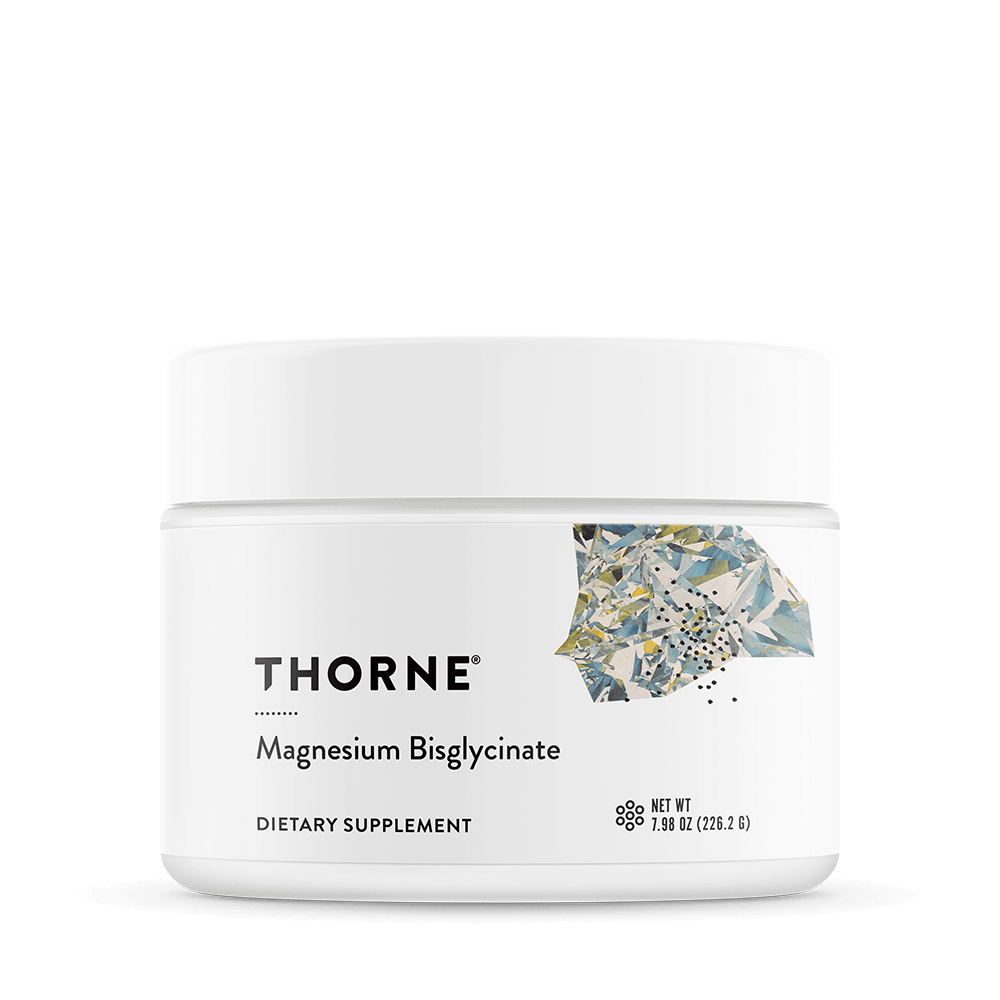
Representative product image
Provides 200mg of elemental magnesium in the well-absorbed glycinate form. NSF certified, and already our top pick in this form across the site for its purity and consistency.
What we like: Well-absorbed glycinate form, NSF certified, minimal filler ingredients.
See Price on Amazon →Melatonin: the most misused supplement on this list
Melatonin is a hormone your body produces naturally in response to darkness, signaling that it is time to sleep. Its real strength is resetting your circadian clock, jet lag, shift work, or a sleep schedule that has drifted later and later, and the evidence for melatonin in that specific role is strong. Where it gets misused is as a nightly sedative for people whose actual problem is ordinary insomnia on a normal schedule, which is exactly the use the clinical guideline above advises against, since melatonin has not reliably outperformed placebo for that particular problem.
The research consistently shows that lower doses work better than higher ones, 0.5 to 1mg is the dose shown to affect circadian timing, yet many commercial products contain 5mg, 10mg, or more, doses chosen for shelf appeal rather than evidence. Higher doses do not help you fall asleep faster; they are more associated with next-day grogginess and vivid dreams, and may disrupt your body’s natural melatonin production over time. Timing matters as much as dose: if the goal is shifting your clock rather than simply sedating yourself, melatonin taken 1 to 3 hours before your target bedtime tends to work better than melatonin taken right as you lie down.
Typical dose: 0.5 to 1mg, taken 30 minutes to a few hours before bed depending on whether you are trying to shift your schedule or simply wind down. If a product only comes in 3mg or 5mg tablets, consider splitting them.
Best melatonin: Natrol Melatonin 1mg
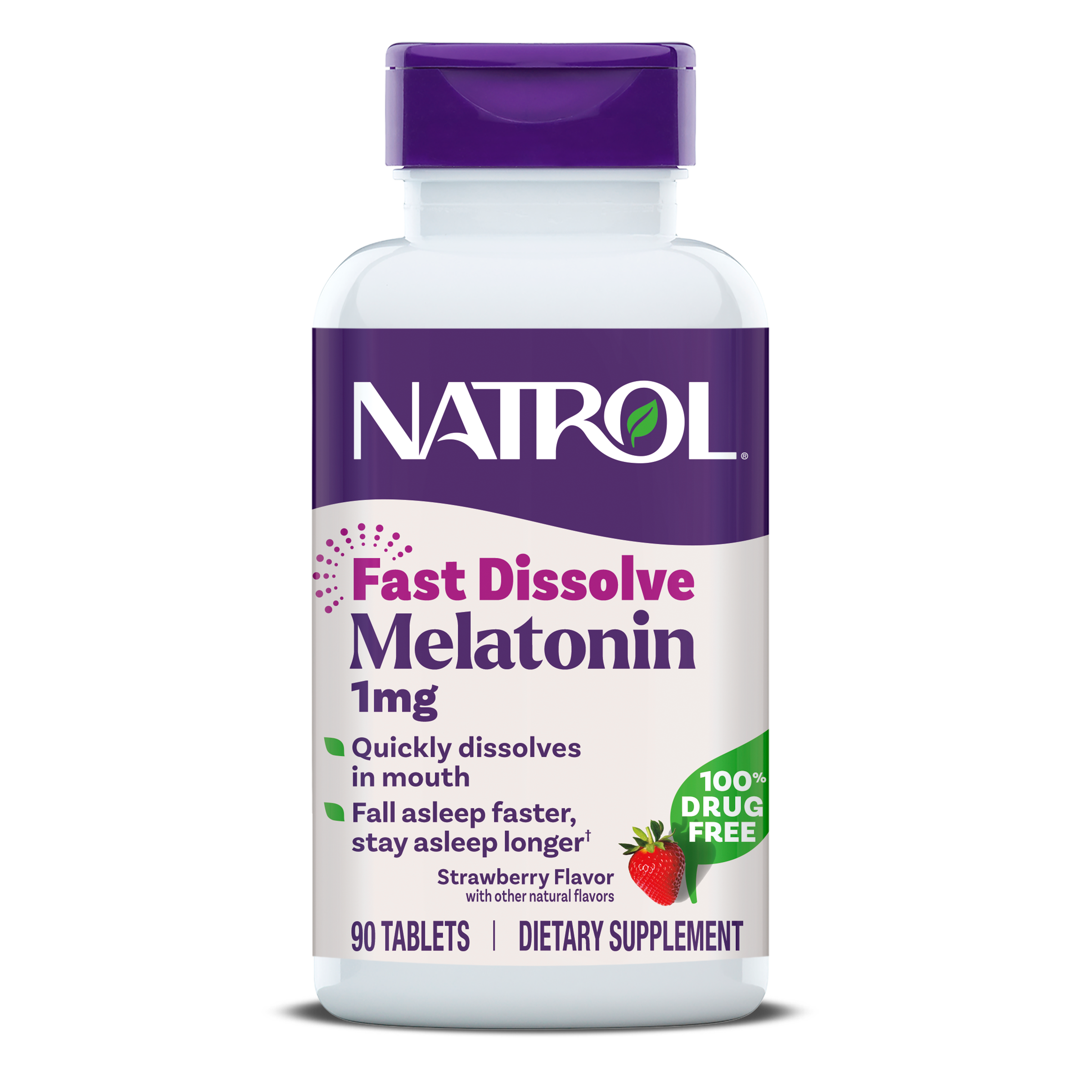
Representative product image
A correctly-dosed 1mg fast-dissolve tablet, exactly the dose the evidence supports, rather than the inflated 5mg and 10mg doses common elsewhere. Widely available and inexpensive.
What we like: Evidence-based 1mg dose, fast-dissolve format, easy to find at any pharmacy.
See Price on Amazon →Ashwagandha: for stress-related sleep disruption
Ashwagandha is an adaptogenic herb studied primarily for its effect on cortisol, the body’s primary stress hormone, rather than on sleep physiology directly. This makes it a meaningfully different kind of supplement from magnesium or melatonin, better suited to people whose sleep problem is a racing, anxious mind than to a biological sleep-timing issue. Several randomized controlled trials using the KSM-66 branded extract specifically have shown improvements in both perceived stress and sleep quality, particularly in people whose sleep issues are linked to stress or anxiety.
Not all ashwagandha products use KSM-66, so checking the label matters rather than assuming equivalence across brands. Its effects also build over days to weeks rather than minutes, so it is better taken consistently every evening than reached for on a single bad night.
Typical dose: 300 to 600mg of a standardized extract (like KSM-66), taken in the evening, once daily.
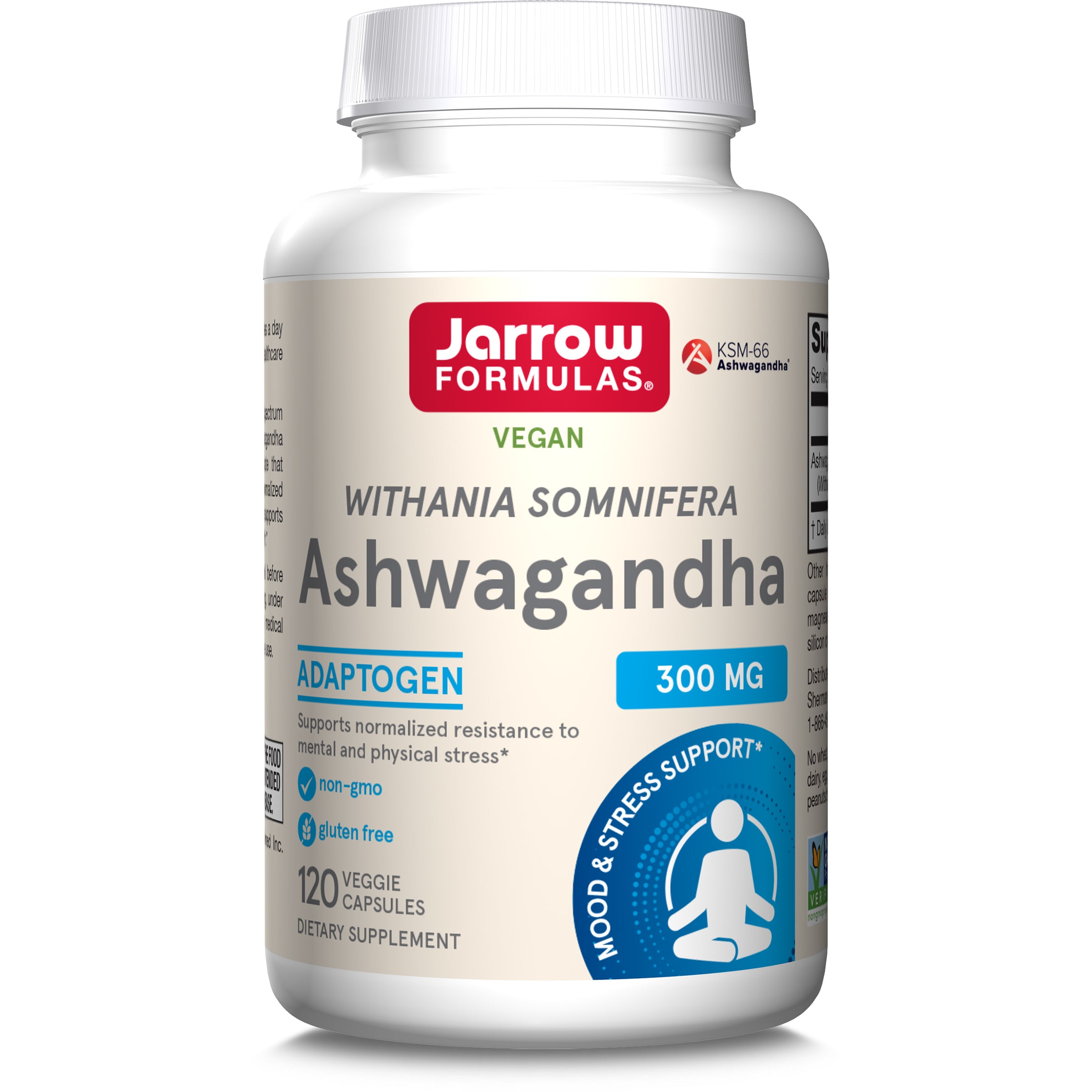
Best ashwagandha: Jarrow KSM-66 Ashwagandha
Representative product image
Uses the KSM-66 branded extract, the specific form used in most of the clinical research on ashwagandha and stress. This matters, many cheaper ashwagandha products use unstandardized extracts with far less research behind them.
What we like: Clinically-studied KSM-66 extract, 300mg standardized dose, reputable manufacturer.
See Price on Amazon →L-theanine: the non-drowsy calming option
L-theanine is an amino acid found naturally in tea leaves. Unlike melatonin, it does not induce sleep directly. Instead, it promotes a calm, alert mental state by increasing alpha brain wave activity, which can make it easier to wind down without sedation. This makes it a good option for people who want to reduce racing thoughts at bedtime without feeling drowsy the next day, and a reasonable stacking partner for magnesium rather than a frontline fix on its own, since its effect is genuinely mild.
Typical dose: 100 to 200mg, taken 30 to 60 minutes before bed.
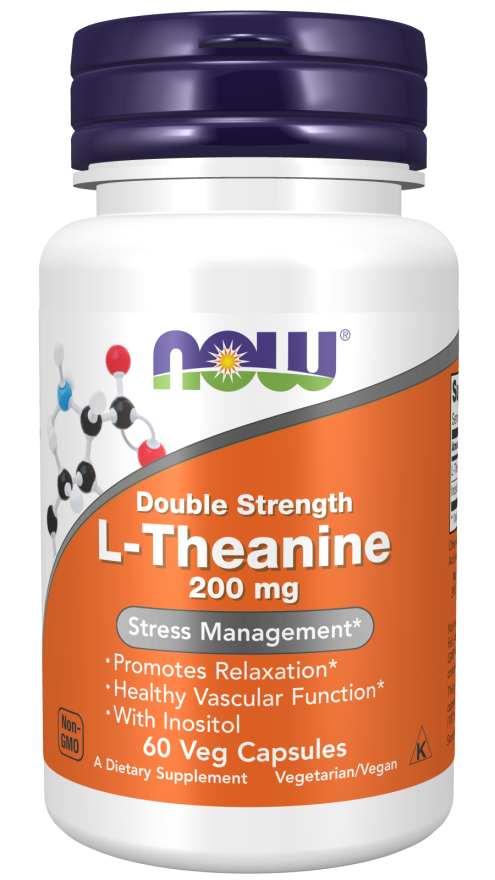
Best value stack option: NOW L-Theanine
Representative product image
A straightforward 200mg L-theanine capsule using Suntheanine, a well-researched branded form. GMP certified and a reasonable price for a supplement you may want to pair with magnesium.
What we like: Suntheanine branded ingredient, GMP certified, affordable enough to stack with other options.
See Price on Amazon →What does not hold up, and why it is still everywhere
A handful of ingredients show up constantly in sleep blends despite having the weakest evidence of anything on this page. Knowing why helps explain the gap between what sells and what the research actually supports.
Valerian root is one of the oldest herbal sleep remedies and still one of the most widely sold. It is also one of the three ingredients the clinical guideline above specifically advises against for ongoing insomnia, based on trial data showing inconsistent, often negligible effects over placebo. Valerian is not dangerous, but it is worth knowing that stopping it abruptly after regular use has been associated with withdrawal-like symptoms, and that its reputation is built largely on tradition rather than trial data.
Tryptophan is the amino acid precursor to serotonin and, further downstream, melatonin, which is the biological logic behind supplementing it and behind the idea that turkey makes you sleepy. In the controlled trials, a 250mg dose did not reliably outperform placebo for insomnia, which is the other ingredient the guideline advises against. It is also worth real caution if you take an SSRI or another serotonergic medication, since adding more serotonin precursor on top carries a genuine, if uncommon, interaction risk, a case where “natural” does not mean free of drug interactions.
Oral GABA supplements are the most intuitive-seeming shortcut and also the weakest, structurally. GABA is the actual calming neurotransmitter that magnesium, glycine, and several other ingredients work through indirectly, which makes supplementing it directly seem obvious. The problem is that GABA taken by mouth does not meaningfully cross the blood-brain barrier, so there is no clear mechanism by which a GABA capsule would raise GABA activity in the brain the way these other ingredients do. Any reported benefit is more likely explained by other pathways than by the simple “more GABA in, calmer brain” story the marketing implies.
Dosing at a glance
| Ingredient | Effective dose | Best for |
|---|---|---|
| Magnesium glycinate | 200–400mg, 30–60 min before bed | General sleep quality, nightly use |
| Melatonin | 0.5–1mg, timed to the goal | Jet lag, shift work, delayed schedule |
| Ashwagandha (KSM-66) | 300–600mg, once daily | Stress-driven wakefulness |
| L-theanine | 100–200mg, 30–60 min before bed | Calming a busy mind |
| Valerian, tryptophan, oral GABA | — | Not recommended for ongoing insomnia |
How to combine these, if you choose to
These four supplements target different mechanisms, so some people combine two, most commonly magnesium glycinate with either melatonin or L-theanine, rather than taking all four every night. Magnesium plus a low dose of melatonin is a sensible pairing when both general sleep quality and circadian timing need help; magnesium plus L-theanine suits a generally busy, wired mind more than a diagnosed sleep disorder. Start with one at a time to see what actually helps you, rather than stacking everything at once and losing track of what is working, and be cautious about layering several ingredients that work through the same GABA pathway, since that tends to add cost rather than benefit.
If you take blood thinners, antidepressants, or other prescription medications, check with a pharmacist or doctor before adding any of the above. Melatonin alongside anticoagulants, and tryptophan alongside SSRIs, are the two interactions worth flagging specifically.
This article is for informational purposes and is not medical advice. Talk to your doctor before starting any new supplement, particularly if you take other medications or have a diagnosed sleep disorder.