

Magnesium is involved in over 300 enzymatic reactions in the human body. It supports muscle recovery, sleep quality, blood sugar regulation, and stress response. Yet most adults get far less than they need through diet alone — and the most common supplement forms are poorly absorbed.

This guide cuts through the noise. We looked at ingredient forms, bioavailability research, third-party testing certification, and price per serving to find the magnesium supplements that are actually worth taking.
| Pick | Best For | |
|---|---|---|
| Thorne Magnesium Bisglycinate | Overall pick | Check Price |
| NOW Foods Magnesium Glycinate 400mg | Best value | Check Price |
| Life Extension Magnesium (Citrate/Malate) | Best for sleep | Check Price |
Why the form of magnesium matters more than the brand
Not all magnesium supplements are equal. The element is always bonded to something else — and that compound determines how well your body absorbs it and whether it causes side effects.
Magnesium oxide is the most common form on drugstore shelves and the worst-absorbed. Studies show absorption rates as low as 4%. It is cheap to manufacture, which is why it appears in most budget multivitamins. Avoid it.
Magnesium glycinate (also called bisglycinate) is the most widely recommended form for general supplementation. It is chelated to glycine, an amino acid that improves absorption and reduces the likelihood of digestive side effects. This is what most research points to for sleep and muscle recovery benefits.
Magnesium citrate absorbs reasonably well but has a laxative effect at higher doses. Useful intentionally, less ideal if you are taking it for sleep or recovery.
What the research actually says
The strongest evidence for magnesium supplementation is in three areas: improving sleep quality in people who are deficient, reducing muscle cramps and soreness, and supporting healthy blood sugar levels. The RDA for magnesium is 310-420mg per day depending on age and sex. Most adults consume around 250mg through food. Supplementing 200-400mg of an absorbable form daily is reasonable for most people.
Our top picks
Best overall: Thorne Magnesium Bisglycinate
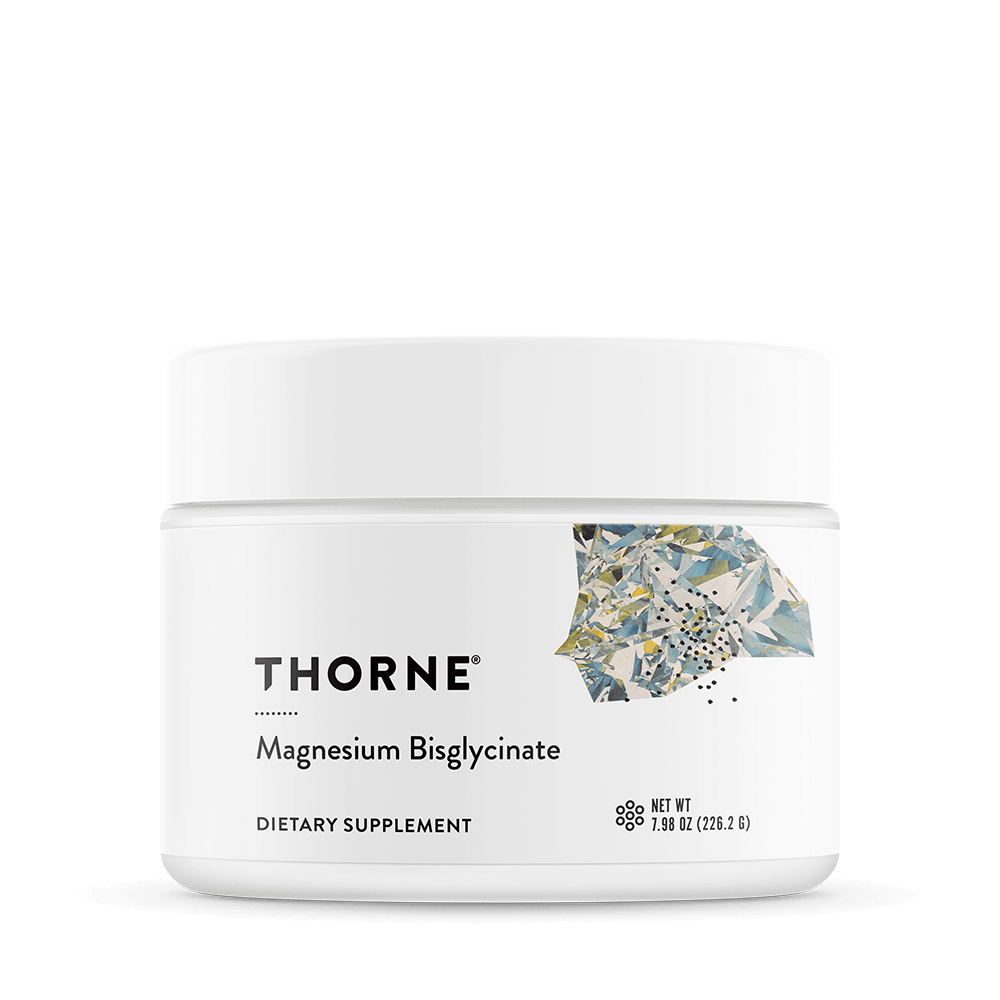
Best overall: Thorne Magnesium Bisglycinate
Thorne is one of the few supplement companies that submits to NSF third-party batch testing. Their magnesium bisglycinate provides 200mg of elemental magnesium per serving in a fully chelated form with no unnecessary additives. The capsule form avoids the laxative effect common with other forms. This is the one we point most people toward first.
What we like: NSF third-party batch tested, 200mg of elemental magnesium per serving, fully chelated with no unnecessary additives.
Best value: NOW Foods Magnesium Glycinate 400mg
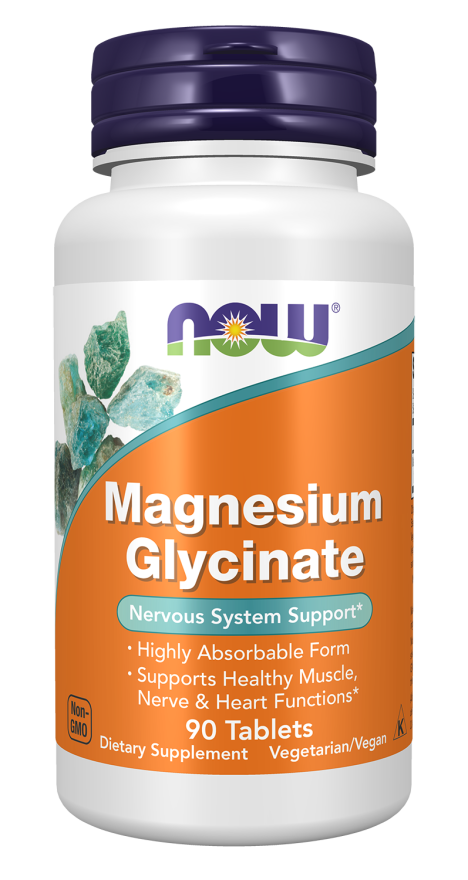
Best value: NOW Foods Magnesium Glycinate 400mg
NOW Foods consistently passes third-party testing through USP and their in-house lab. Their magnesium glycinate provides 400mg per serving at a significantly lower cost than premium brands. The company has been manufacturing supplements since 1968 and maintains GMP certification. For most people this is more than adequate.
What we like: Third-party tested through USP, 400mg per serving, GMP certified, priced well below premium brands.
Best for sleep: Life Extension Magnesium (Citrate/Malate)
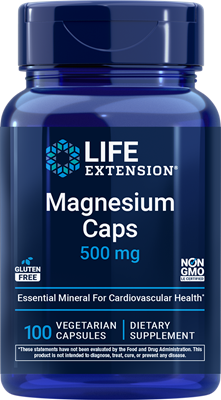
Best for sleep: Life Extension Magnesium (Citrate/Malate)
Life Extension uses a blend of citrate and malate forms with a slower-release profile that some users find better for overnight recovery. Their products are regularly verified by ConsumerLab.
What we like: Citrate/malate blend with a slower-release profile some users prefer for overnight recovery.
What to look for on the label
Check the supplement facts panel for the elemental magnesium amount, not just the compound weight. Look for third-party certifications: NSF Certified for Sport, USP Verified, or Informed Sport. Avoid products that use magnesium oxide as the primary form, proprietary blends that hide individual amounts, and anything with unnecessary fillers or additives.
Affiliate disclosure: this article contains affiliate links. We may earn a small commission if you purchase through them at no extra cost to you. This does not influence our recommendations.
Medical disclaimer: this article is for informational purposes only and is not a substitute for professional medical advice. Consult a licensed healthcare provider before starting any supplement.