
Quick answer: Keep your wake-up time steady, get morning light, protect your sleep when you travel or host, and keep moving a little every day. Treat food and drinks as part of the celebration, not a test. Small, repeatable habits beat strict rules, and they make January feel a lot easier.
Wondering how to stay healthy during the holidays? The holidays are full of good things: time with family, favorite foods, parties and a break from routine. They can also leave you tired, stressed and a little off track by January.
This guide covers the simple habits that hold up through the season, what research says about holiday stress, sleep and weight, and the products that make it easier.
Our quick picks to stay healthy during the holidays
| Pick | Best For | |
|---|---|---|
| Hatch Restore 3 | Premium pick: steady wake-ups with sunrise light | Check Price → |
| Carex Day-Light Classic Plus | Bright morning light on dark winter days | Check Price → |
| Manta Sleep Mask | Dark sleep in guest rooms and hotels | Check Price → |
| Loop Dream Earplugs | Quiet nights in busy houses | Check Price → |
| Fit Simplify Resistance Loop Bands | Workouts anywhere, packs flat | Check Price → |
| CeraVe Moisturizing Cream | Dry winter skin | Check Price → |
| Thorne Magnesium Bisglycinate | A calm evening routine | Check Price → |
Why do the holidays feel so draining?
You are not imagining it. In a 2023 survey for the American Psychological Association, 41% of US adults said their stress goes up during the holiday season. The top reasons:
- Money: 58% worried about spending too much or not having enough.
- Finding the right gifts: 40%.
- Missing loved ones: 38%.
Add late nights, travel, rich food, more alcohol and less daylight, and it makes sense that many people feel run down. The good news: a few anchor habits protect most of what matters.

Habit 1: Anchor your wake-up time
Your body clock runs on routine and light. Sleeping in by two or three hours on days off shifts that clock, a bit like mild jet lag. Keeping your wake-up time within about an hour of normal is one of the simplest ways to stay rested.
Morning light helps too. Get outside for 10 to 30 minutes soon after waking, or sit near a bright lamp on dark winter mornings. Our circadian rhythm guide explains why.
Hatch Restore 3
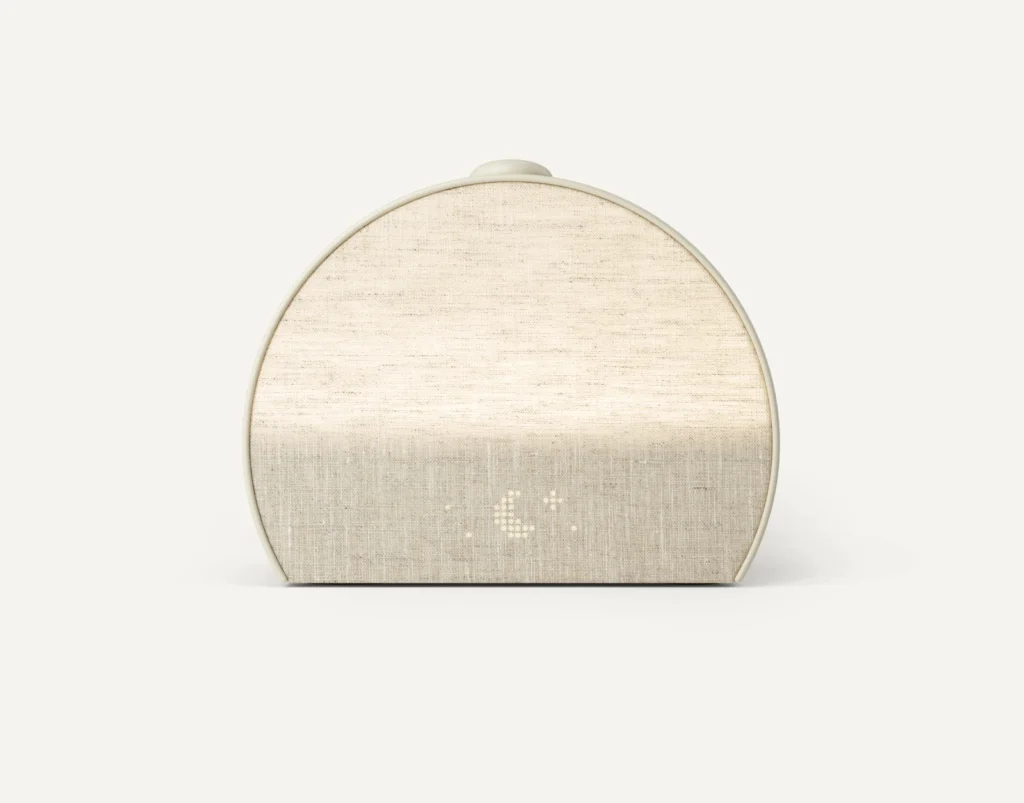
A sunrise alarm brightens slowly before your alarm time, so waking up in a dark December bedroom feels less abrupt. The Restore 3 also has sleep sounds and physical buttons, so you do not need your phone at bedtime.
What we like: Gentle sunrise and sunset light, sleep sounds and phone-free controls in one device.
Worth knowing: Full access to its audio library needs a Hatch+ subscription. Read our sunrise alarm guide for budget options.
Carex Day-Light Classic Plus

When it is still dark at 7 a.m., a bright light lamp gives you a strong morning light signal at your desk or breakfast table. Light therapy is a common treatment for seasonal affective disorder, according to Mayo Clinic.
What we like: A large light panel, adjustable height, and a long track record.
Worth knowing: If you have low mood that lasts weeks, bipolar disorder or an eye condition, talk to your doctor before using light therapy.
Habit 2: Protect your sleep when you travel or host
Unfamiliar beds, bright guest rooms and noisy houses are the biggest holiday sleep thieves. Pack a small sleep kit:
- A comfortable sleep mask
- Earplugs
- Your usual pillowcase or a travel pillow
- A phone charger long enough to keep your phone across the room
If you are hosting, give your guests the same kindness: a fan for white noise, a spare mask and a dark room.
Manta Sleep Mask

Guest rooms often have thin curtains and glowing chargers. Manta’s adjustable eye cups block light without pressing on your eyes, so it is comfortable for side sleepers too.
What we like: Full blackout, no pressure on the eyes, and it packs easily.
Loop Dream Earplugs
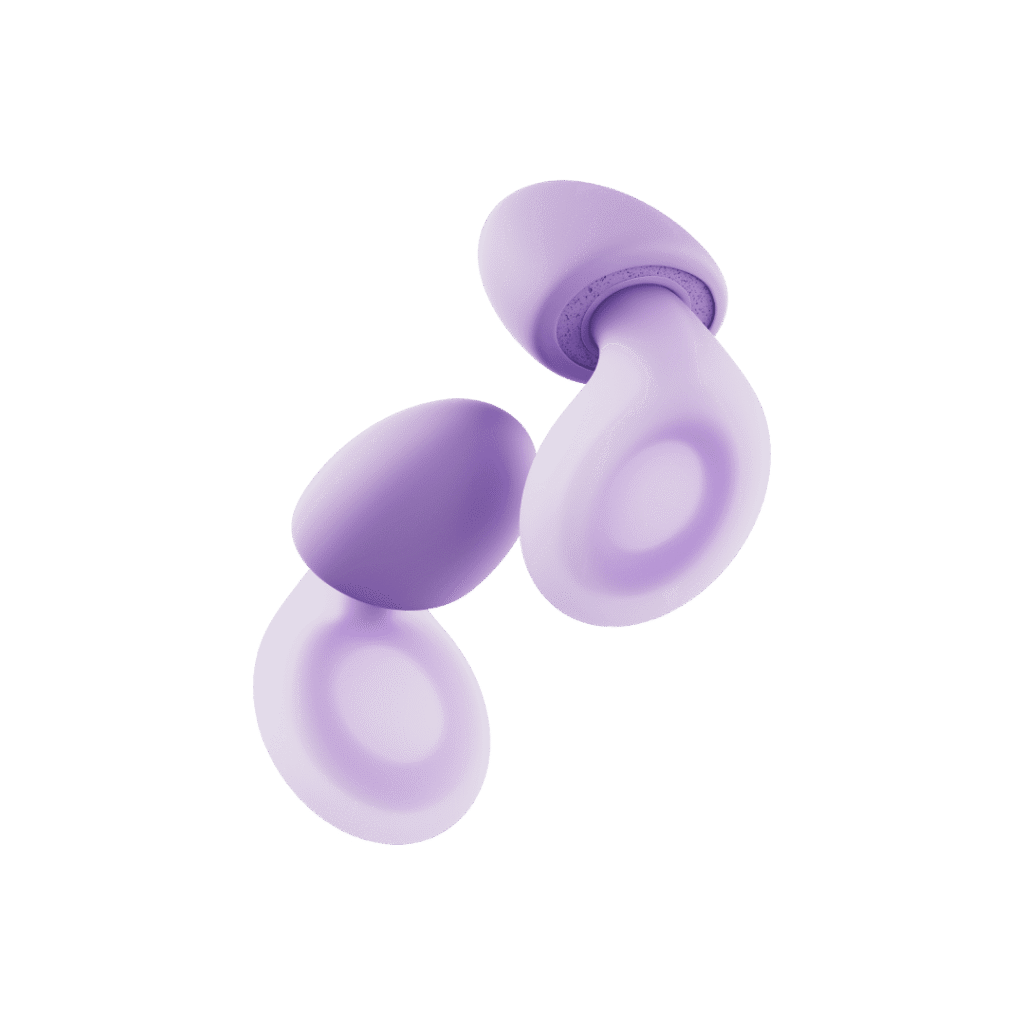
Late-night conversations, snoring relatives and early risers make holiday sleep hard. Loop Dream earplugs are soft and low-profile, so they sit comfortably while you sleep on your side.
What we like: Reusable, comfortable for side sleeping, and come with several tip sizes.
Worth knowing: Foam earplugs like Mack’s cost less if you just need something for a few nights.
Habit 3: Be smart about holiday drinks
Alcohol can help you fall asleep faster, which is why it feels like a sleep aid. But a 2013 review of sleep studies (Ebrahim and colleagues) found that it tends to disrupt sleep in the second half of the night. That is why you can sleep eight hours after a party and still wake up tired.
You do not have to skip the celebration. A few simple moves help:
- Alternate each drink with a glass of water.
- Eat a real meal before or while you drink.
- Stop drinking a few hours before bed so your body has time to process it.
- Choose festive non-alcoholic options for some of the night.
Habit 4: Keep moving, even a little
You do not need your full gym routine to stay strong. In a 2011 study by Bickel and colleagues, younger adults who cut their strength training to one session a week, a third of their usual volume, kept their muscle gains over 32 weeks. Older adults needed a bit more, but kept much of their strength.
So the goal for the holidays is maintenance, not perfection. Two short sessions a week and daily walks are plenty. Try this 15-minute routine anywhere:
| Move | Reps | Tip |
|---|---|---|
| Banded squats | 12 to 15 | Band just above the knees |
| Push-ups (or knee push-ups) | 8 to 12 | Slow on the way down |
| Banded glute bridges | 15 | Squeeze at the top |
| Reverse lunges | 10 per leg | Hold a chair for balance |
| Plank | 30 to 45 seconds | Keep hips level |
Do the circuit two or three times with a short rest between rounds.
Fit Simplify Resistance Loop Bands
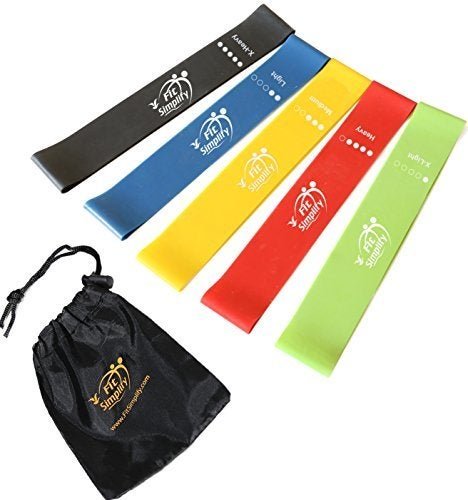
A set of loop bands weighs almost nothing and turns any living room into a workout space. Use them for squats, glute bridges, rows and shoulder work.
What we like: Five resistance levels, a carry bag and a very low price.
Habit 5: Enjoy the food and skip the guilt
Holiday weight gain is real, but smaller than people think.
PureForm Check
What the research says about holiday weight
The study: Researchers tracked 195 adults from fall to spring (Yanovski et al., New England Journal of Medicine, 2000).
Average holiday gain: About 0.37 kg (under 1 pound), much less than people expect.
The catch: That small gain was not lost in spring or summer, so it can add up over the years.
Takeaway: You do not need a strict diet. Small, steady habits matter more than any one meal.
A few habits keep meals enjoyable without feeling like a diet:
- Start meals with protein and vegetables, then enjoy the dishes you love most.
- Skip the foods you can have any time of year and save room for the special ones.
- Take a walk after big meals. It is a great family tradition too.
- Keep regular meals on non-party days so you are not starving by evening.
Habit 6: Lower the stress you can control
Money was the biggest holiday stressor in the APA survey, so a little planning goes a long way:
- Set a gift budget first, then shop. Our wellness gifts under $50 and self-care stocking stuffers guides help.
- Say no to one thing. One fewer event can make the whole week calmer.
- Schedule downtime like any other plan: a walk, a bath, an early night.
- Reach out if you are missing someone. A call or message helps both of you.
If stress, sadness or low mood stick around for weeks, talk to your doctor or a mental health professional.
Habit 7: Look after winter skin
Cold air outside and dry heat inside pull moisture from your skin. The American Academy of Dermatology recommends short, warm (not hot) showers, moisturizing right after you dry off, and a humidifier when the air is dry. For a full routine, see the 10-minute shower routine.
CeraVe Moisturizing Cream
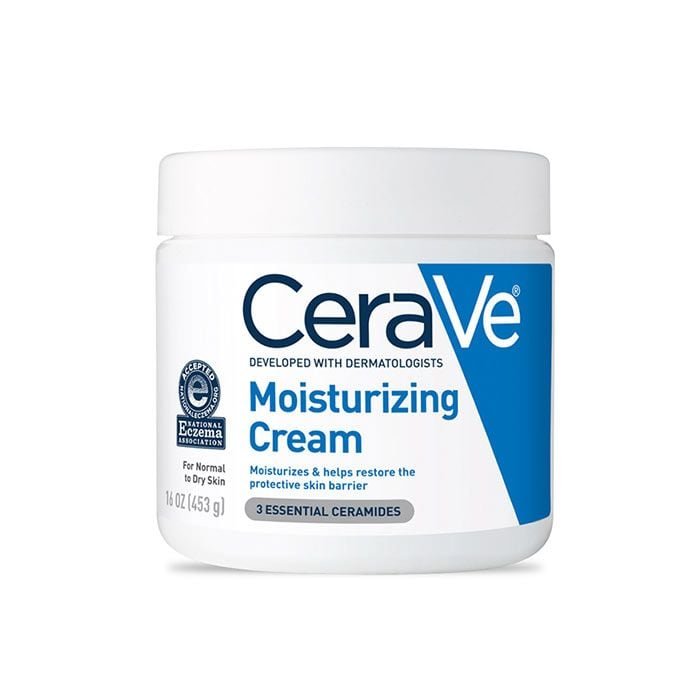
Cold air and indoor heating dry out skin fast. A thick, fragrance-free cream with ceramides helps hold moisture in when you apply it right after a shower.
What we like: Fragrance-free, ceramides plus hyaluronic acid, and a big tub at a low price.
Build a simple evening wind-down
Busy days make it hard to switch off. A short routine signals to your body that the day is done: dim the lights, put your phone away, take a warm shower, and read or stretch for 15 minutes.
Thorne Magnesium Bisglycinate
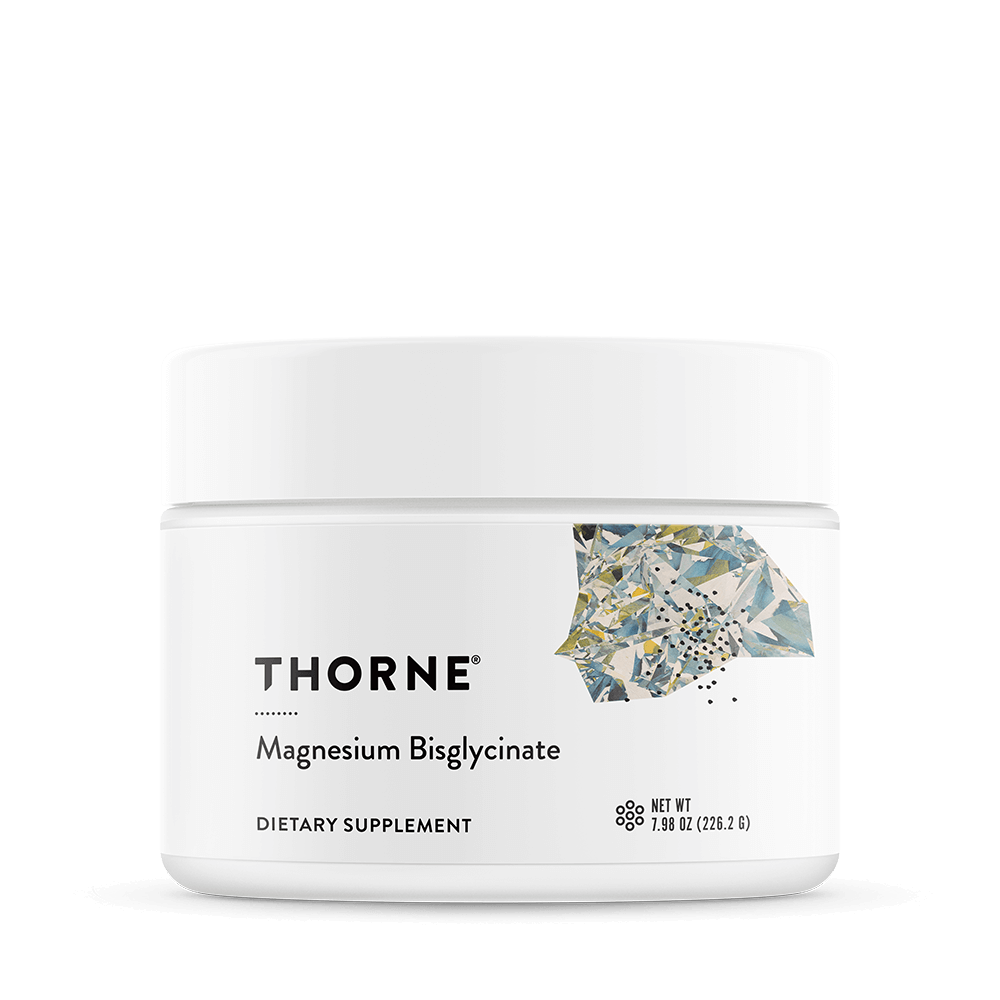
Magnesium glycinate is a gentle form that many people take in the evening as part of a wind-down routine. Research on magnesium for sleep is mixed, so think of it as one small piece of a routine, not a sleeping pill.
What we like: A well-absorbed, gentle form from a brand known for third-party testing.
Worth knowing: Do not go over 350 mg a day from supplements unless your doctor says so, and check with your doctor if you have kidney disease or take medication. See our magnesium guide.
A simple holiday day plan
| Time | Habit | Why it helps |
|---|---|---|
| Wake-up | Same time as usual, even on days off | Keeps your body clock steady |
| First hour | 10 to 30 minutes of daylight or a bright lamp | A strong morning signal for your body clock |
| Daytime | A 10-minute walk or band workout | Keeps strength and energy up |
| Meals | Start with protein and vegetables, then enjoy the treats | Satisfying without feeling restrictive |
| Evening | Water between drinks; last drink a few hours before bed | Protects the second half of the night |
| Bedtime | Dark, cool, quiet room; mask and earplugs if needed | Better sleep in unfamiliar places |
FAQ
How do I stay healthy during the holidays?
Focus on a few anchors: a steady wake-up time, morning light, daily movement, water between drinks and good sleep. You can enjoy the food and parties and still feel good in January.
Do people really gain weight over the holidays?
Yes, but less than most people think. A study in the New England Journal of Medicine found an average gain of under a pound. The bigger issue is that it often stays, so steady habits matter more than one big meal.
How can I sleep better at a relative’s house?
Bring a sleep mask, earplugs and anything that makes the space feel familiar. Keep your phone away from the bed and try to keep your usual wake-up time.
Does a drink before bed help you sleep?
It may help you fall asleep, but research shows it tends to disrupt the second half of the night. Stop drinking a few hours before bed.
How do I exercise while traveling?
Pack resistance bands and do a 15-minute bodyweight circuit two or three times a week. Daily walks count too.
How do I deal with holiday stress?
Set a budget, cut one commitment, schedule real downtime and stay in touch with people you miss. If low mood lasts for weeks, talk to a professional.
The bottom line
The holidays do not have to throw you off. Keep your wake-up time steady, get morning light, protect your sleep, move a little every day and enjoy the food without guilt. Those small habits add up to a calmer season and an easier January.
Affiliate disclosure: this article contains affiliate links. We may earn a small commission if you buy through them, at no extra cost to you. This does not change our recommendations.
This article is for informational purposes only and is not medical advice. Talk to your doctor before starting a new supplement, especially if you are pregnant, nursing or take medication.
References
- American Psychological Association (2023). Stress in America holiday survey, conducted by The Harris Poll, November 14 to 16, 2023 (2,061 adults).
- Yanovski JA et al. A prospective study of holiday weight gain. N Engl J Med. 2000;342(12):861-867.
- Ebrahim IO et al. Alcohol and sleep I: effects on normal sleep. Alcohol Clin Exp Res. 2013;37(4):539-549.
- Bickel CS, Cross JM, Bamman MM. Exercise dosing to retain resistance training adaptations in young and older adults. Med Sci Sports Exerc. 2011;43(7):1177-1187.
- American Academy of Dermatology. “Dermatologists’ top tips for relieving dry skin.”
- Mayo Clinic. “Light therapy.”